
Most people think about raised beds in March. They browse lumber yards in a light jacket, Pinterest-save soil recipes, and plan enthusiastically for spring. Then August arrives and they're eating store-bought tomatoes again. But here's what experienced kitchen gardeners know: August is actually the window. Set up a raised bed right now, fill it well, and you can be harvesting kale, lettuce, arugula, spinach, and radishes before the first frost takes hold. You're not behind. You're right on time.
Fall crops don't need warm soil to thrive. In fact, most of them actively dislike it. Lettuce germinates better in cooler ground. Spinach gets sweeter after a light frost. The vegetables that fill a fall garden are almost the exact opposite of summer crops in every way, and a raised bed you build today will be perfectly suited for all of them.
Choose Your Size Before You Choose Your Lumber
Read also
Resist the urge to go big on your first bed. A 4x8 foot bed sounds modest until you're hauling 12 cubic feet of soil in a rented pickup on a Saturday morning. For a first fall bed, a 4x4 is genuinely enough. That's 16 square feet, which can hold a surprising amount of food if you plant it thoughtfully.
Keep the width at 4 feet maximum so you can reach the center from either side without stepping in. Height matters more than most beginners realize. Twelve inches is the minimum for most vegetables. Sixteen inches is better. If you're building on a hard surface like a patio or compacted clay, go to 18 inches so roots have real room to work.
For lumber, untreated pine works fine for a bed you plan to replace in five or six years. Cedar lasts longer and resists rot naturally. Avoid pressure-treated wood near edible plants unless it's rated for ground contact and specifically labeled safe for vegetable gardens. Doug fir is a solid budget option that holds up better than pine in wet climates.
Fill It Right the First Time
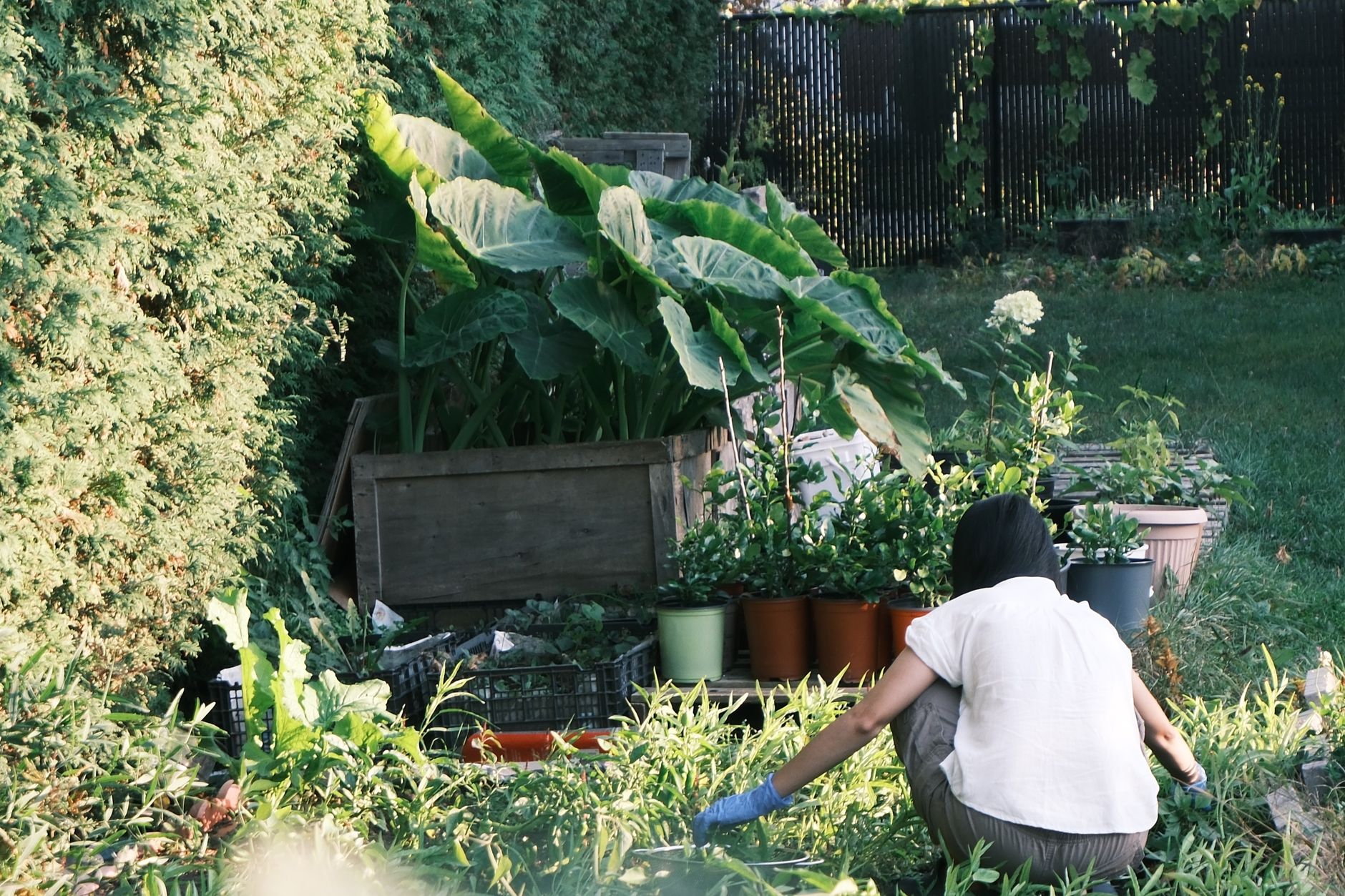
The soil in a raised bed is the whole point. You're not trying to fix the ground underneath. You're building a contained growing environment from scratch, which means you control everything.
A reliable mix for fall crops: 60% topsoil, 30% compost, and 10% perlite or coarse sand for drainage. Bagged mixes labeled 'raised bed blend' or 'garden mix' at most hardware stores are often close to this ratio already. What you want to avoid is straight potting mix, which is too light and dries out too fast, or straight topsoil, which compacts hard and suffocates roots by October.
If you're filling a large bed on a budget, the Hugelkultur approach works well: line the bottom third with logs, sticks, and wood scraps from your yard, then pile soil and compost on top. The wood breaks down slowly and holds moisture through dry stretches. It also feeds the soil over several seasons without any additional work from you.
Pro Tip
Pro Tip: Before you add a single handful of soil, lay cardboard across the bottom of your bed. It suppresses weeds, breaks down within one season, and gives earthworms a reason to move up from below. Skip the landscape fabric - it blocks the very organisms your soil needs.
What to Plant in an August Raised Bed
Timing is everything here. Count backwards from your average first frost date. Most of the US falls somewhere between late September and mid-November for first frost. If your date is October 15, you have roughly 10 weeks from mid-August. That's enough time for quite a lot.
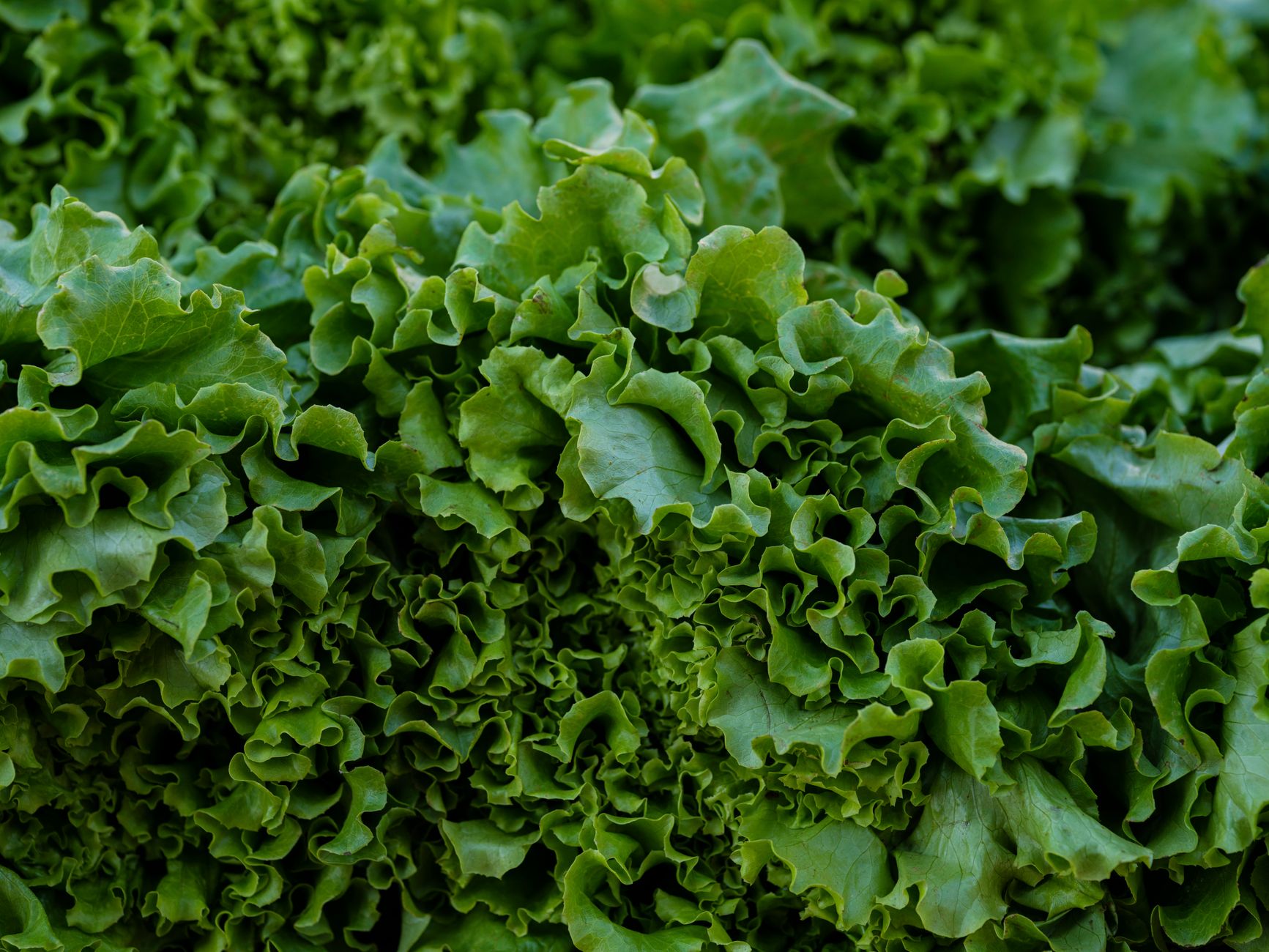
Radishes are done in 25 to 30 days. Plant them now and you'll harvest one full round before September ends, then plant a second succession. Lettuce takes 45 to 60 days depending on the variety, so direct sow loose-leaf types immediately. Spinach, arugula, and Asian greens like bok choy and tatsoi all germinate fast and love the cooling temperatures ahead. Kale planted in August will give you harvests well into November, sometimes longer if you cover it.
What to skip: tomatoes, peppers, squash, or anything that needs a long warm season. Those belong to spring planting. Don't try to cram them in now. Your fall bed has a different personality than a summer bed, and working with that is what makes it so satisfying.
The Setup Details That Actually Matter
Location: fall crops need at least 4 to 6 hours of direct sun, though most will tolerate partial shade better than summer vegetables will. If your yard is shaded in August, note where the light falls and put the bed there. The sun angle drops as fall progresses, so a spot that gets 5 hours now may get 3 by October.
Water: a newly filled raised bed dries out faster than you expect for the first few weeks while the soil settles. Check moisture daily until your seeds germinate. A simple soaker hose looped through the bed on a basic timer takes this off your plate entirely and costs very little to set up.
One more thing worth doing now: pick up a row cover or lightweight frost blanket before you need it. A single layer of floating row cover buys you two to four additional degrees of frost protection and can extend your harvest by three or four weeks in October. It's inexpensive, folds into a bag, and you'll use it every year once you have it.
You Don't Need to Wait Until Spring
There's a certain satisfaction in harvesting food when the rest of the garden has gone dormant. Neighbors walk by in sweaters while you're cutting fresh arugula. Kids find it genuinely interesting that something is still growing when the days are short and cool.
A raised bed you build this week will be producing food in five to six weeks. By the time you're buying Halloween candy, you could be eating vegetables you grew yourself in a bed that didn't exist in July. That's not a long timeline. That's just one good August weekend with a saw, some lumber, and a few bags of soil.
Start small. Fill it right. Plant it this week. The fall harvest doesn't wait.


