
Most home gardeners walk right past fennel at the nursery. It looks like dill had an identity crisis, nobody knows whether to treat it as a herb or a vegetable, and somewhere along the way it got a reputation for being difficult. Here's the truth: fennel might be one of the easiest crops you can grow in a small space, and it pays you back twice — once in fronds, once in bulb.
There are two types most home gardeners care about. Florence fennel, also called finocchio, is what you grow for that thick, crisp bulb at the base. Common fennel, the kind that can get tall and sprawling, is grown primarily for its feathery leaves and seeds. This guide focuses on Florence fennel — the bulbing type — because that's what gives a small-space gardener the most return per square foot.
Why Fennel Struggles in Most Gardens (And It's Not What You Think)
Read also
The number one reason fennel fails in home gardens has nothing to do with watering or fertilizer. It's placement. Fennel is famously allelopathic, meaning it releases compounds from its roots that suppress the growth of nearly everything planted near it. Tomatoes, peppers, beans, basil — fennel will quietly sabotage them all. Plant it away from your main beds, at the edge of the garden, or in its own dedicated container. Give it some isolation and it will reward you for it.
The second common failure is bolting. Florence fennel is cool-season all the way. Plant it when temperatures are consistently between 60 and 70 degrees Fahrenheit, and it will develop a full, rounded bulb before you know it. Push it into summer heat and it skips the bulb entirely and runs straight to seed. For most regions, that means a late summer planting for a fall harvest — right now is actually ideal timing in many parts of the country.
How to Plant Fennel in a Small Garden
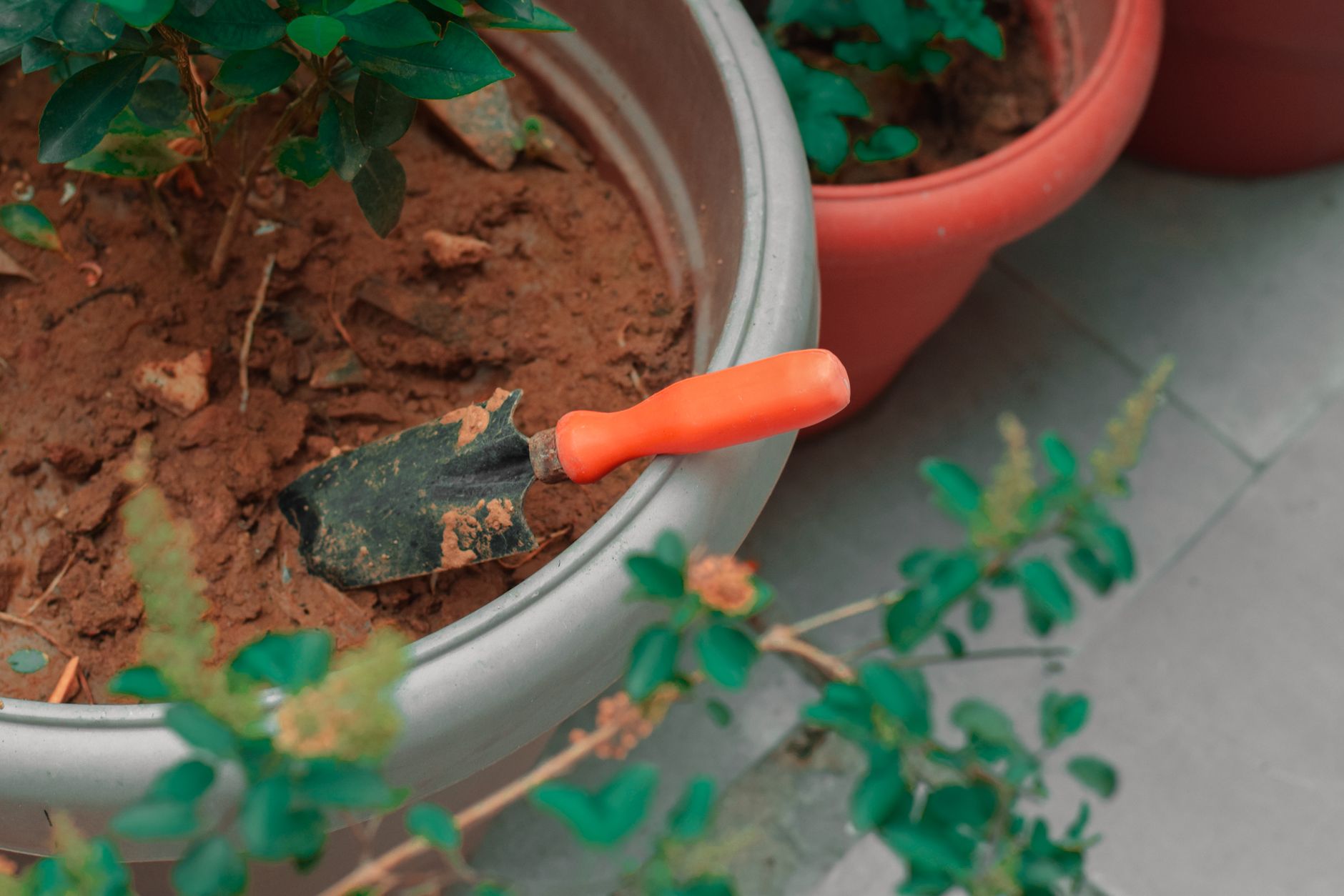
Fennel does best direct-seeded into the ground rather than transplanted. The taproot doesn't love being disturbed, and transplant shock can send it straight into bolt mode. Sow seeds about a quarter inch deep, roughly six inches apart, and thin to twelve inches once they're a few inches tall. Yes, twelve inches feels generous for a small-space garden — but the bulb needs room to push outward at the base.
If you're growing in a container, choose one that's at least twelve inches deep and wide. A five-gallon pot works for one plant. The soil needs to drain well — waterlogged roots will rot quickly — but fennel still wants consistent moisture, especially as the bulb is sizing up. Think of it like growing a head of celery: regular water, good drainage, no extremes.
Full sun is ideal. Six to eight hours daily will give you the strongest bulb development. Fennel can tolerate partial shade and will still produce, but the bulbs tend to stay smaller and the flavor can get a little sharper.
Pro Tip
Pro Tip: About two to three weeks before harvest, mound soil up around the base of your fennel bulb to blanch it. This keeps the bulb pale, tender, and milder in flavor — the same technique used for leeks. It takes thirty seconds and makes a real difference in texture.
Feeding, Watering, and Staying Out of Its Way
Fennel is not a heavy feeder. Work a moderate amount of balanced compost into your soil before planting and you likely won't need to add anything else. If your plants look pale or sluggish mid-season, a light liquid fertilizer — fish emulsion or a balanced 10-10-10 at half strength — will nudge them along. Overdoing nitrogen is where gardeners go wrong; it pushes leaf growth at the expense of bulb development.
Watering is where consistency matters most. Fennel doesn't want to dry out between waterings, but it also doesn't want wet feet. Stick your finger an inch into the soil — if it's dry, water deeply. If it's still damp, leave it alone. Mulching around the base helps hold moisture and keeps soil temperatures stable as fall approaches.
Pests are rarely a serious issue with fennel. Aphids can show up occasionally, especially in dry weather. A strong spray of water from the hose handles most infestations before they get established. Fennel actually attracts beneficial insects, particularly swallowtail butterfly caterpillars — which some gardeners leave intentionally and others relocate to wild fennel nearby.
Knowing When to Harvest (Don't Wait Too Long)
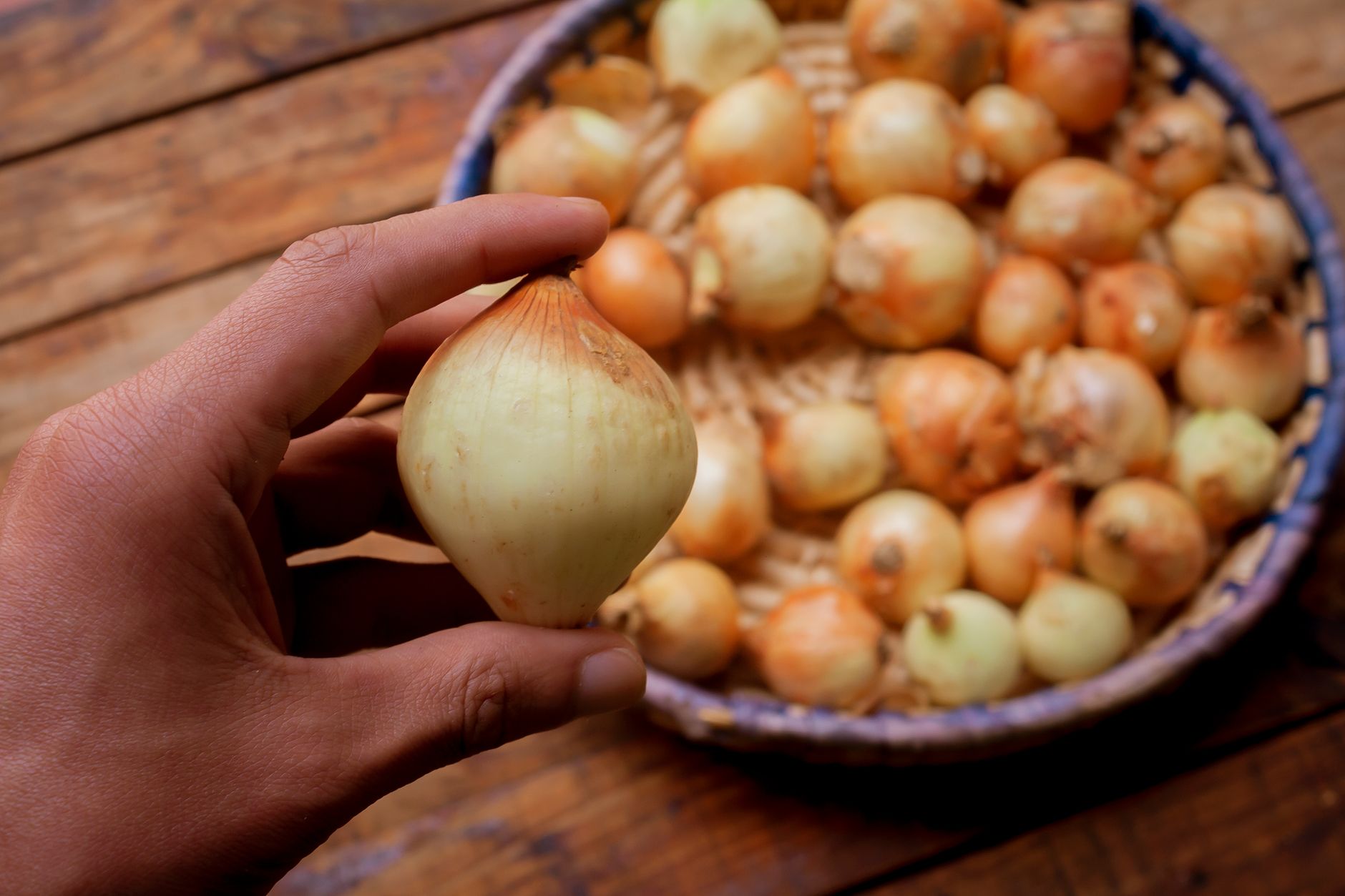
Florence fennel bulbs are ready when they're about the size of a tennis ball — roughly two to three inches across at the base. They can get larger and still taste good, but once they push past baseball size and temperatures start creeping back up, bolting risk increases fast.
Cut the bulb off at soil level with a sharp knife. Leave the root in the ground and you'll often get a flush of feathery fronds growing back from the stump — not another full bulb, but free greens for weeks. Those fronds work beautifully as an herb: chopped over roasted vegetables, stirred into salad dressings, or tucked into fish before baking.
Don't let a fully sized bulb sit in the ground once it's ready. Fennel that stays in the soil past its window gets pithy and fibrous in the center — edible, technically, but not what you were hoping for. Harvest promptly and store bulbs unwashed in the refrigerator crisper drawer, where they'll keep well for up to two weeks.
The Case for Growing More of It
Fennel is one of those vegetables that's expensive at the grocery store and disappointingly mediocre by the time it reaches you. A bulb picked fresh from your garden and eaten within a day or two has a brightness and crunch that store-bought simply doesn't match. Thinly sliced raw with a bit of olive oil and lemon, or roasted until caramelized at the edges — it's a completely different ingredient.
If you've been growing the same rotation of tomatoes, zucchini, and cucumbers every summer, fennel is a low-effort way to add something genuinely interesting to your harvest. Plant it at the edge of your raised bed or in a container by itself, give it cool weather and consistent water, and then mostly leave it alone. That's really all it asks.


