
Most people treat kale like a fragile green that needs babying. They start it indoors under lights, harden it off for two weeks, transplant it gently, and then watch it sulk anyway. Here's what those same people don't realize: kale is one of the most forgiving vegetables you can put in the ground. It tolerates frost, handles drought better than lettuce, grows back after heavy cutting, and actually tastes sweeter once cold weather arrives. The real trick isn't protecting it. It's understanding when to push it.
If you're in August right now, you're sitting in the best possible window to start kale for fall. Plants started now will hit their stride just as temperatures drop, and a bed planted today can feed your family well into December in most parts of the country.
Which Variety Actually Suits Your Space
Read also
There are more kale varieties than most gardeners ever try, and they are not interchangeable. Lacinato kale, also called Dinosaur or Tuscan kale, grows tall and upright with dark, puckered leaves. It's the most space-efficient choice for small gardens because it grows vertically rather than sprawling outward. Each plant needs about 12 inches of space, and you can easily fit it along the edge of a raised bed without shading shorter crops.
Curly kale varieties like Winterbor or Dwarf Blue Curled grow wider and bushier. They're hardier in extreme cold and tend to produce more leaves per plant over a longer season. If you have a bit more room, these pay off well. Red Russian kale sits somewhere in between. It grows quickly, has a milder flavor than curly types, and tends to bolt faster in heat, which is worth knowing if you're in a climate that doesn't cool down until October.
For containers, stick with Dwarf Blue Curled or Red Russian. Both stay manageable in a 5-gallon pot or a window box at least 10 inches deep.
Starting Seeds vs. Transplants

Kale seeds germinate fast. Under warm August conditions, you'll see sprouts in four to six days. That means direct sowing straight into your bed or container is completely reasonable right now, and you'll skip the transplant shock that sets plants back by one to two weeks anyway.
Sow seeds about half an inch deep and one inch apart. Once seedlings reach three inches tall, thin them to their final spacing: 12 inches for Lacinato, 18 inches for curly types. Don't throw those thinnings away. They're edible and tender, exactly what you'd pay four dollars for at a farmers market.
If you're starting in late August and want to hedge your bets, start seeds in small pots or a seed tray indoors where temperatures are more consistent. Kale germinates best between 60 and 75 degrees Fahrenheit. Once seedlings have two true leaves, they're ready to go outside.
Pro Tip
Pro Tip: Kale grows best when you harvest it consistently. Cutting outer leaves every one to two weeks encourages the plant to produce more from the center. If you let it go too long without cutting, leaves get tough and the plant puts energy into size rather than new growth.
Soil, Sun, and the One Thing People Skip
Kale is a heavy nitrogen feeder. That's the one thing most home gardeners skip or underestimate. You can grow it in average soil and get average results. But if you want plants that produce steadily from fall into winter, they need nitrogen-rich soil from the start.
Before planting, work a couple inches of compost into the top six inches of soil. If your bed is already established and you're not adding fresh compost, a side dressing of balanced granular fertilizer at planting time will carry the plants through their first month. After that, a liquid feed every three weeks keeps production steady.
Sun requirements are flexible. Kale prefers full sun but handles partial shade better than most brassicas. Four to five hours of direct sun is enough to grow a productive plant. In hot climates, afternoon shade actually helps during the transition from summer to fall while temperatures are still high.
Water consistently, especially while plants are young. Kale doesn't like sitting in wet soil, but it also shouldn't dry out completely between waterings. An inch of water per week is a good baseline. Mulching around the base of each plant holds moisture and keeps roots cool, which matters more than most people realize in late summer.
Pests to Watch For and When to Act
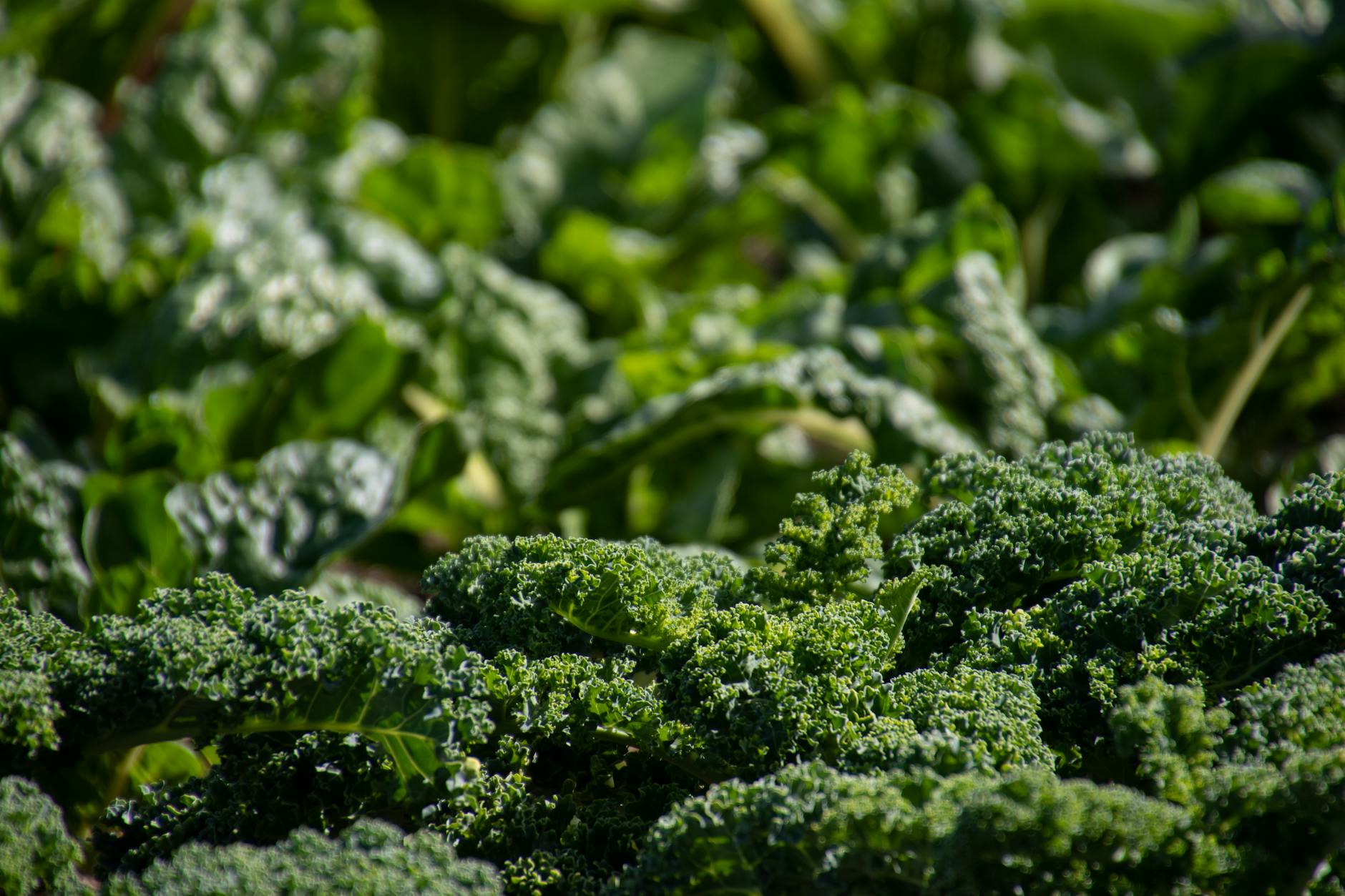
Cabbage worms are the main pest you'll deal with. They're the larvae of white butterflies you see floating around the garden, and they chew ragged holes straight through leaves. Check the undersides of leaves every few days in September and October when populations peak. Hand-picking works well for small gardens. Bt, or Bacillus thuringiensis, is an organic option that targets caterpillars without harming other insects. A fine row cover over young plants keeps butterflies from laying eggs in the first place.
Aphids sometimes cluster on new growth, especially in early fall. A strong blast of water from a hose knocks most of them off. If they keep coming back, insecticidal soap spray works quickly and breaks down harmlessly within a day or two.
When and How to Harvest for Maximum Yield
You can start harvesting as soon as outer leaves are six to eight inches long. Never strip a plant bare. Leave at least four to five leaves at the top and center of the plant intact so it can keep photosynthesizing and pushing out new growth.
Harvest in the morning when leaves are crisp and fully hydrated. They store well in the refrigerator for up to a week. Wash and dry before storing, then wrap loosely in a damp paper towel inside a bag.
After the first hard frost, kale leaves sweeten noticeably. The cold triggers the plant to convert starches to sugars. This is not a myth. Anyone who has eaten kale in October versus kale in August will tell you they taste like completely different vegetables. That alone is a reason to grow it now and wait.
A single raised bed planted in late August can keep producing until the ground freezes solid. In mild climates, it runs straight through winter. That's a long return on a two-dollar seed packet and about twenty minutes of planting time.


