
Every August, someone in a gardening group posts the same photo. A tangled pile of bean vines on the ground, the trellis collapsed sideways under the weight of a full crop. The comments always say the same thing: 'Oh no, happened to me too.' It is one of the most preventable losses in the small food garden, and it comes down to one thing. The structure was not built for what pole beans actually do.
Pole beans are not delicate climbers. A mature stand in full production can weigh 15 to 20 pounds, and that weight is not evenly distributed. Wind moves it around. Rain adds to it. And most of the flimsy bamboo stakes or folding metal A-frames sold at garden centers are rated for, let's be honest, looking good in May. Not for surviving a heavy harvest in week ten.
Why Most Pole Bean Setups Fail
Read also
The problem is almost never the beans. Pole beans are reliable, fast, and genuinely one of the most productive vegetables you can grow in a small space. They produce over a long season, they fix nitrogen while they grow, and they take up almost no ground footprint if you train them upward. The problem is always the structure underneath them.
Shallow stakes tip over. Twine slackens when wet. Bamboo poles rot at the soil line by midsummer. And that lightweight folding trellis that worked fine for cucumbers? It was never designed for the lateral pressure that a dense stand of climbing beans puts on it when the wind picks up.
The fix is not expensive. It is just about choosing the right structure before you plant, not after the damage is done.
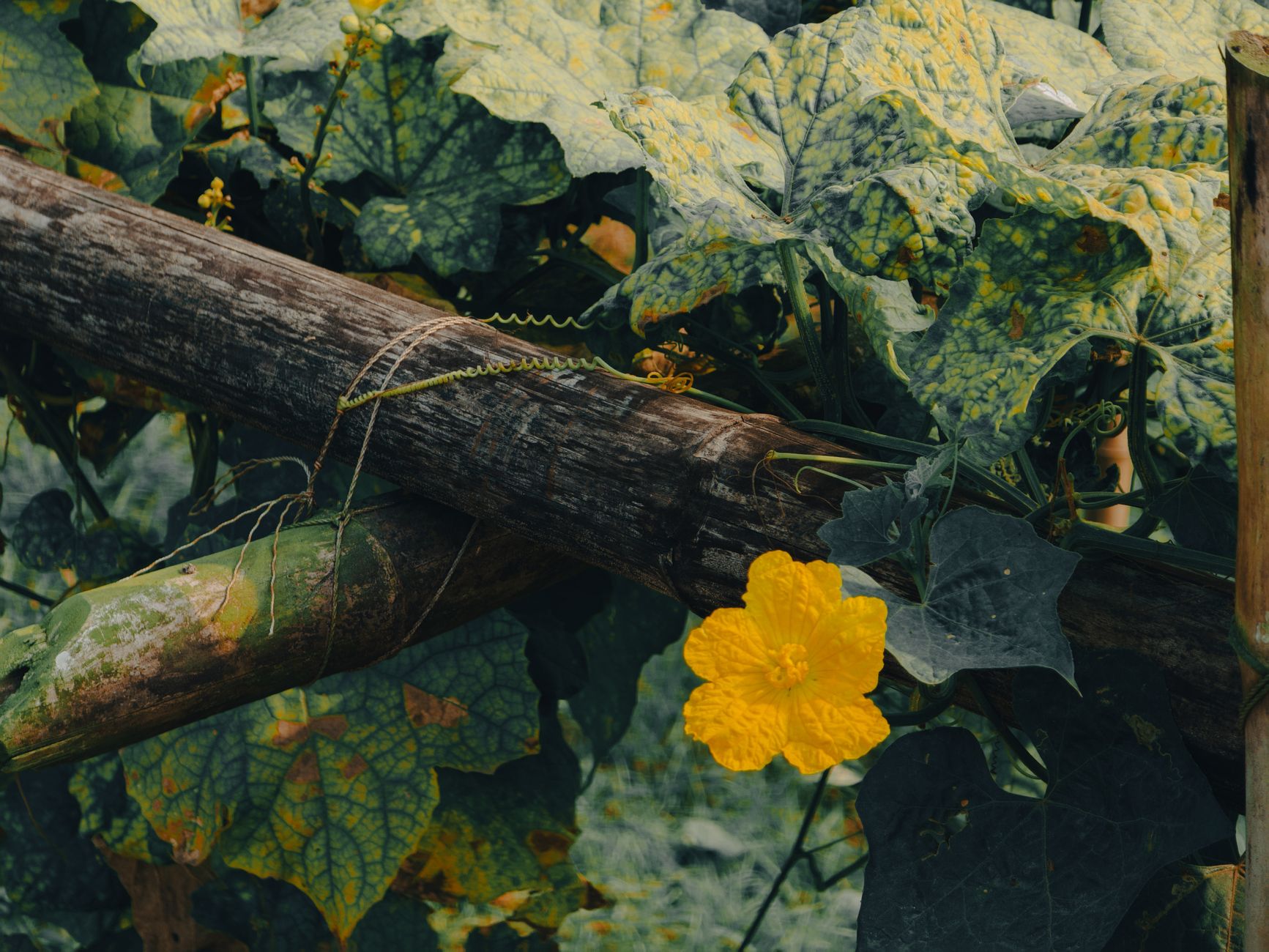
The Three Trellis Styles That Actually Hold
For a raised bed or small garden plot, you have three options that consistently work through a full pole bean season. Each one suits a slightly different setup.
The first is a T-post and wire trellis. Drive two 4-foot T-posts into the ground or bed corners, then run two or three horizontal lines of 14-gauge galvanized wire between them, spaced about 10 inches apart. The beans grab the wire as they climb, the wire holds the weight, and the T-posts do not budge. This is the most durable option and it will last for years. Cost is around $15 to $25 total depending on how many posts you need.
The second is a wooden teepee with a center stake. Use three 6-foot garden stakes, tie them at the top with natural twine, and spread the feet about 18 inches apart in a triangle. Plant two or three beans at the base of each leg. The triangular shape distributes weight in all directions, which makes it far more stable than a flat trellis in wind. This works especially well in containers or small raised beds.
The third is cattle panel, bent into an arch or stood upright and anchored to the bed frame. It sounds like overkill until you see how much weight a cattle panel holds without flinching. A 16-foot panel bent into an arch over a 4-by-8 raised bed creates a tunnel you can walk through and harvest from both sides. It is heavier to move but it is essentially indestructible.
Pro Tip
Pro Tip: Whatever trellis you choose, set it up before you plant, not after the seeds sprout. Pushing stakes into an established root zone tears feeder roots and stresses young plants right when they need to focus on climbing.
Setting Up for a Raised Bed or Container
If you are working with a raised bed, the T-post and wire setup is your most practical option. Drive posts at least 12 inches deep, which usually means they go through the bed and into the ground beneath. This depth is what keeps them upright when the load gets heavy. Beds that sit on concrete or pavers need corner brackets instead, which you can find at any hardware store.
For containers, the teepee wins on every count. It is lightweight before you set it up, it anchors itself into the potting mix once the stakes are in, and beans will reach the top of a 6-foot teepee within five to six weeks of sprouting. Use a container that is at least 12 inches deep and 14 inches wide to give the root system enough room to support the plant load above it.
One thing people overlook with containers: the trellis needs to be weighted down at the base or tied to something fixed. A 5-gallon bucket is not heavy enough to anchor a teepee in an August wind when it is covered in beans. Either use a larger container, fill the base with a layer of gravel for weight, or attach the stakes to a railing or fence.
Choosing the Right Pole Bean Variety for Small Spaces
Not all pole beans climb to the same height. Kentucky Wonder tops out around 7 to 8 feet and is one of the most forgiving, reliable varieties for beginners. Blue Lake Pole is slightly shorter at 5 to 6 feet and produces heavily over a long window. If you want something that holds its harvest on the vine without getting tough and stringy, look for Rattlesnake Pole or Fortex, both of which stay tender longer and are excellent for small-space harvests where you might not get out to pick every single day.
Avoid planting pole beans in the same spot two years in a row even though they fix nitrogen. Rotating them prevents the buildup of bean-specific diseases in the soil, especially the fungal ones that love humid summers.
What to Do When Beans Stop Climbing
Pole beans twine around supports as they grow, but they occasionally need a little direction in the first two weeks. If a young vine is flopping sideways rather than reaching upward, just loop it gently around the nearest string or stake. Do not wrap it tight. A loose guide is all it needs.
If your beans have reached the top of the trellis and keep going, pinch the growing tip off. This redirects energy into flower and pod production rather than more vine. It feels counterintuitive but it works.
Pick beans consistently, every two to three days once they start producing. Leaving overgrown pods on the vine signals the plant to slow down or stop flowering. Keep harvesting and the plant keeps producing. That is the whole deal with pole beans. They are built to give you a lot for a long time, but only if the structure under them can hold up long enough to let them do their job.


