
A single inch of rain falling on a 1,000-square-foot roof produces roughly 600 gallons of water. Most of it runs straight into the street. Meanwhile, your vegetable garden is sitting twenty feet away, bone dry, and your water bill is quietly climbing every July.
Rain barrels are not a new idea. But they have gotten dramatically easier to set up in the last five years, and for a small food garden, they genuinely change how you water. You stop worrying about dry stretches. You stop running a hose every other day. And if you live somewhere that charges tiered water rates in summer, the savings can cover the cost of the whole system before Labor Day.
What You Actually Need Before You Buy Anything
Read also
Start by looking at your downspouts. You need at least one that's reasonably close to your garden, or close enough that a short soaker hose or garden hose can reach from barrel to bed. Most downspouts are made from aluminum or PVC, and both work fine. The main thing you're checking is whether the downspout runs straight down from the gutter before it curves away from the house. That straight section is where you'll make your connection.
You also want to think about overflow. A barrel fills up faster than people expect. During a moderate rainstorm, a 55-gallon barrel can hit capacity in under an hour. Every good setup needs an overflow outlet that directs excess water away from your foundation.
And think about placement before you haul anything heavy around. Once a 55-gallon barrel is full, it weighs close to 460 pounds. You are not moving it. Put it where you want it to live permanently, ideally elevated on a few cinder blocks so gravity does some of the work when you fill a watering can.
Choosing the Right Barrel
You have two main options: a purpose-built rain barrel from a garden center, or a repurposed food-grade drum. Both work. The purpose-built ones usually come with a spigot near the bottom, a screened opening at the top, and an overflow port already installed. They cost between $80 and $150 depending on size and brand. They look reasonably tidy and your neighbors probably won't complain.
Repurposed 55-gallon food drums run $15 to $30 at farm supply stores or online. They held olives or juice or syrup before they got to you, so they're safe for vegetable irrigation. You'll need to drill holes yourself and install a spigot kit, which costs another $10 to $15. This is the budget route, and it works just as well.
One thing to skip: any barrel that previously held chemicals, petroleum products, or anything you can't identify. Not worth the risk near food crops.
Pro Tip
Pro Tip: Elevate your barrel on two stacked cinder blocks before you fill it. Even six inches of height creates enough pressure to fill a watering can without a pump, and makes attaching a soaker hose much more practical. Don't try to lift a full barrel after the fact.
The Setup, Step by Step
First, set your cinder blocks on solid, level ground. Soft soil will shift over time under that kind of weight. Gravel or a paving stone base works well.
Next, measure your downspout. You'll cut it with a hacksaw or tin snips at the point where you want the water to divert into the barrel. Most kits include a diverter valve that inserts right into that cut section. The diverter does two smart things: it routes water into your barrel while it has capacity, and it automatically redirects water down the original downspout path once the barrel is full. This keeps water away from your foundation without any effort from you.
Connect the diverter to your barrel using the flexible hose that comes in the kit. Make sure this hose slopes slightly downward from the diverter to the barrel so water flows without pooling. Then check your overflow port. It should be positioned high on the barrel and connected to a short hose or pipe that points away from your house, ideally toward a garden bed, lawn, or drainage area.
Finally, check that your top screen is securely attached. A mesh screen over the barrel opening keeps out mosquitoes, which will absolutely breed in standing water if you let them. This is not optional.

Using Rain Barrel Water in a Food Garden
Collected rainwater is slightly acidic, which most vegetables actually prefer. It's also free of the chlorine and fluoride found in municipal tap water. Many gardeners swear their tomatoes and leafy greens respond better to rainwater, and while that's hard to measure scientifically, it's not an unreasonable claim.
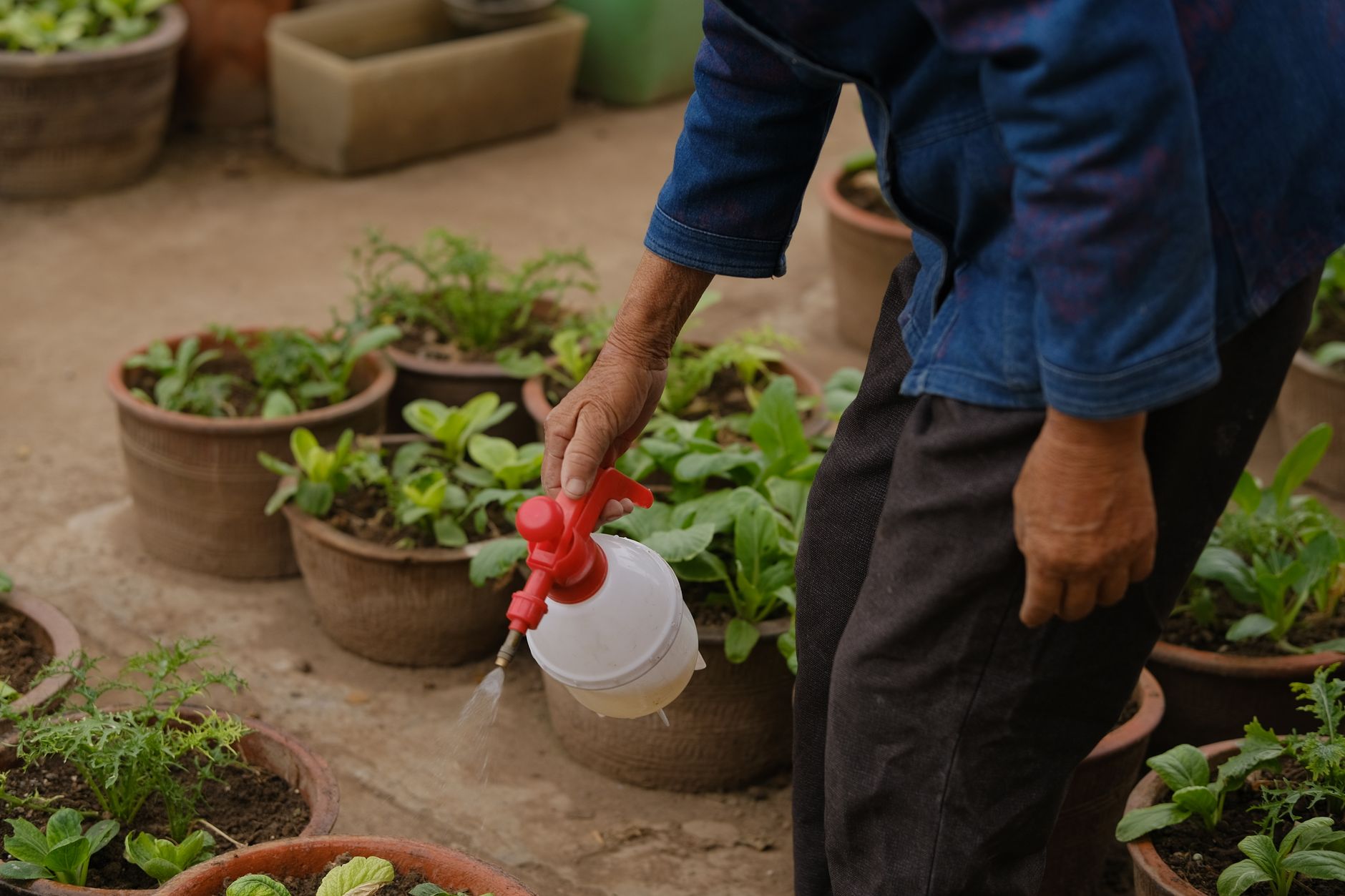
Use the water at the base of your plants, not overhead. Overhead watering from a barrel is fine for ornamentals, but with food crops, especially leafy greens and fruiting vegetables, keeping foliage dry reduces the risk of fungal disease. A simple drip attachment or soaker hose connected to the barrel spigot makes this easy.
In the fall, before the first hard freeze, drain your barrel completely and store it upside down or in a shed. Water left inside through a freeze can crack even heavy-duty plastic. A cracked barrel is not salvageable.
What It Actually Saves You
A small vegetable garden, say two or three raised beds totaling 50 to 80 square feet, needs roughly 1 to 2 inches of water per week in summer. That's anywhere from 30 to 100 gallons per week depending on heat and rainfall. In a dry July with three beds, you might use 75 to 90 gallons a week from your barrel alone, with no tap water at all.
At average U.S. water rates, that's roughly $5 to $12 per month in saved water costs during peak season. Across June, July, August, and September, a single barrel can easily offset $30 to $45 in water bills. A purpose-built $100 barrel pays itself off within two to three seasons. A $30 repurposed drum pays off in one.
But the real value is in the dry weeks. When you hit two weeks without rain in August and your neighbors are dragging hoses around every evening, your barrel has been quietly stockpiling every storm that rolled through since May. That water is sitting there, ready, and your vegetables don't know the difference between a drought and a regular Tuesday.


