
A raised bed that produced buckets of tomatoes in its first season can quietly underperform by year three, even if you've been adding compost every spring like clockwork. The plants look fine. They're not dying. But something is off. Fewer fruits. Pale leaves. Growth that stops earlier than it should. Most gardeners blame the weather or the seeds. The real problem is almost always in the soil.
Raised beds are brilliant for small-space food growing, but they have one big vulnerability: they're closed systems. Rain flushes nutrients down and out through the drainage. Roots pull minerals from the same cubic feet of soil year after year. And because you're growing intensively, sometimes three or four successions per season, that soil works harder than any backyard garden plot ever would. Compost adds organic matter and a little of everything, but it rarely adds enough of the specific things your vegetables are burning through fastest.
The Three Nutrients That Disappear First
Read also
Nitrogen gets all the attention, and yes, it depletes fast. But in a raised bed you've been gardening in for more than two seasons, calcium and magnesium are often the real culprits behind poor performance. You'll see it as blossom end rot on tomatoes and peppers, leaf curl, or that distinctive yellowing between the veins of otherwise green leaves. Calcium doesn't move easily through soil, so even if your pH is right, roots can struggle to absorb what's there during hot, dry spells when water uptake slows down.
Potassium is the third one that quietly slips away. It's essential for fruit development and disease resistance, and heavy feeders like squash, corn, and beans pull it out of soil fast. You won't see a dramatic visual symptom early on. What you'll notice is fruit that's smaller than expected, or plants that give up producing earlier in the season than they should.
Why Compost Isn't Enough on Its Own
Compost is not a fertilizer. It's a soil conditioner. That's an important distinction. Good compost improves structure, feeds soil biology, and provides a slow trickle of nutrients, but the concentrations are too low and too inconsistent to replace what intensive cropping removes. A study of home compost samples found nitrogen content ranging from 0.5% to over 3% depending on what went into the pile. You genuinely don't know what you're getting.
That's not a reason to stop composting. Keep doing it. But treat compost as the foundation, not the whole solution.
Pro Tip
Pro Tip: A simple soil test kit from your local extension office or garden center costs around $15-20 and tells you your nitrogen, phosphorus, potassium, and pH levels in under an hour. Do it once in early spring and once in fall. It takes the guesswork out of everything and saves you money on amendments you don't actually need.
What to Actually Add and When
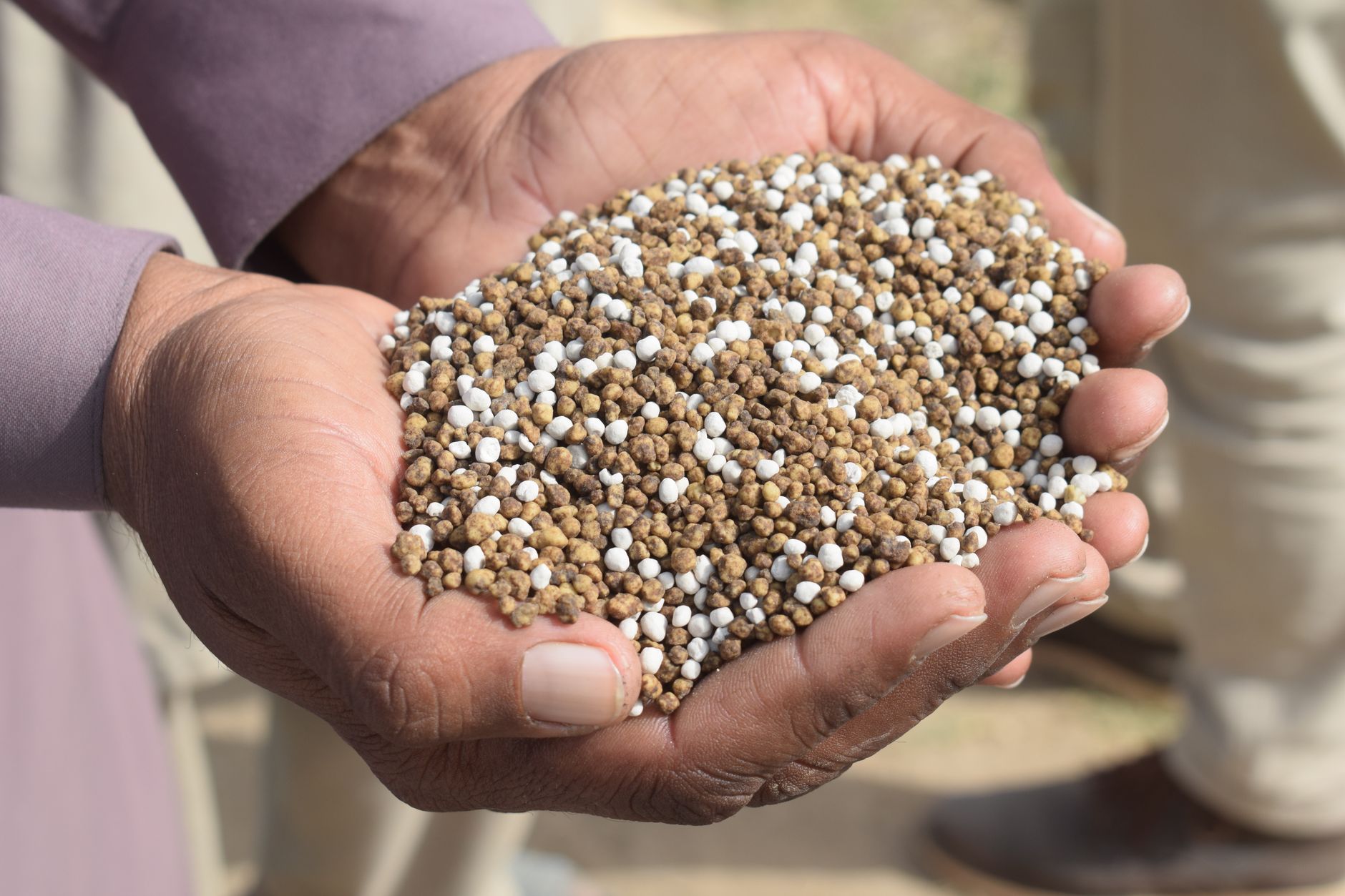
Start in spring before planting with a balanced granular organic fertilizer worked into the top few inches of soil. Look for something with roughly equal NPK numbers, like a 4-4-4 or 5-5-5. This gives your plants a steady foundation as they establish. Fish meal, bone meal, and kelp meal are all good organic options you can blend yourself if you want more control over ratios.
Once plants are actively growing and flowering, switch to a slightly higher potassium formula. Many gardeners use a liquid tomato fertilizer for this phase, not just for tomatoes but for any fruiting crop. Every two to three weeks through the production season is a reasonable schedule for liquid feeding.
For calcium specifically, crushed eggshells break down too slowly to help a plant this season. A better quick fix is gypite or calcium spray applied directly to leaves and developing fruit. Foliar feeding bypasses the soil entirely and gets nutrients to the plant within days. It's not a long-term strategy, but when you're watching blossom end rot develop on your tomatoes in July, it buys you time.

Building Soil That Feeds Itself Over Time
The longer goal is reducing how much you need to add each season. Crop rotation inside your raised beds matters more than most people realize. Follow heavy feeders like corn or squash with nitrogen-fixing legumes like beans or peas. Those legumes leave nitrogen-rich root nodules behind in the soil when you pull them out. It's not a magic trick, but it genuinely shifts the chemistry in your favor.
Cover crops are worth considering even in small beds. A handful of clover or winter rye sown in September and turned under in spring adds organic nitrogen and protects soil structure through cold months. You're feeding the soil when nothing else is growing.
Worm castings are worth every penny for raised beds. They're not cheap, but a few cups worked into transplant holes at planting time introduces microbial life that makes existing nutrients more available to roots. The soil ecosystem is doing work for you that no bag of fertilizer can fully replicate.
A Simple Annual Rhythm to Follow
Here's a routine that works well for most raised beds in their second year and beyond. In early spring, soil test first. Then top dress with two inches of compost and work in a balanced granular fertilizer. At transplanting, add worm castings to each planting hole. During the growing season, liquid feed every two to three weeks once flowering begins. In fall, sow a cover crop or mulch heavily with straw to protect soil life through winter.
That's it. It takes maybe an hour of effort spread across a whole season. The payoff is a raised bed that gets more productive with age rather than less, which is exactly what intensive small-space growing should do.


