
Somewhere around the middle of July, a lot of home gardeners look at their calendar and quietly give up. The spring crops are done. The tomatoes are in. And the general assumption is that the planting season is basically over. It isn't. Not even close.
If you still have bare soil in a raised bed, an empty container on the patio, or a gap where something bolted and got pulled, there is time to grow real food. Real food you will actually eat before the first frost. You just need to know which vegetables to reach for.
Why July Planting Works Better Than People Think
Read also
The key number is days to maturity. Every seed packet lists it. Most gardeners use it to plan spring planting, but it works just as well in reverse. Count forward from your last possible planting date, figure out when your first frost typically lands, and you'll find a surprisingly wide window still open in front of you.
Most of the northern United States sees first frost somewhere between late September and mid-October. That gives you 10 to 14 weeks from mid-July. Plenty of vegetables mature well inside that range. Some of them actually prefer the cooler temperatures that arrive as summer winds down, which means your late-planted crops may taste better than the ones you grew in the heat of June.
There's another advantage nobody talks about: summer-planted cool-season crops avoid the spring pest and disease pressure that hits when everyone else is planting. Fewer aphids. Less fungal trouble. Cleaner leaves.
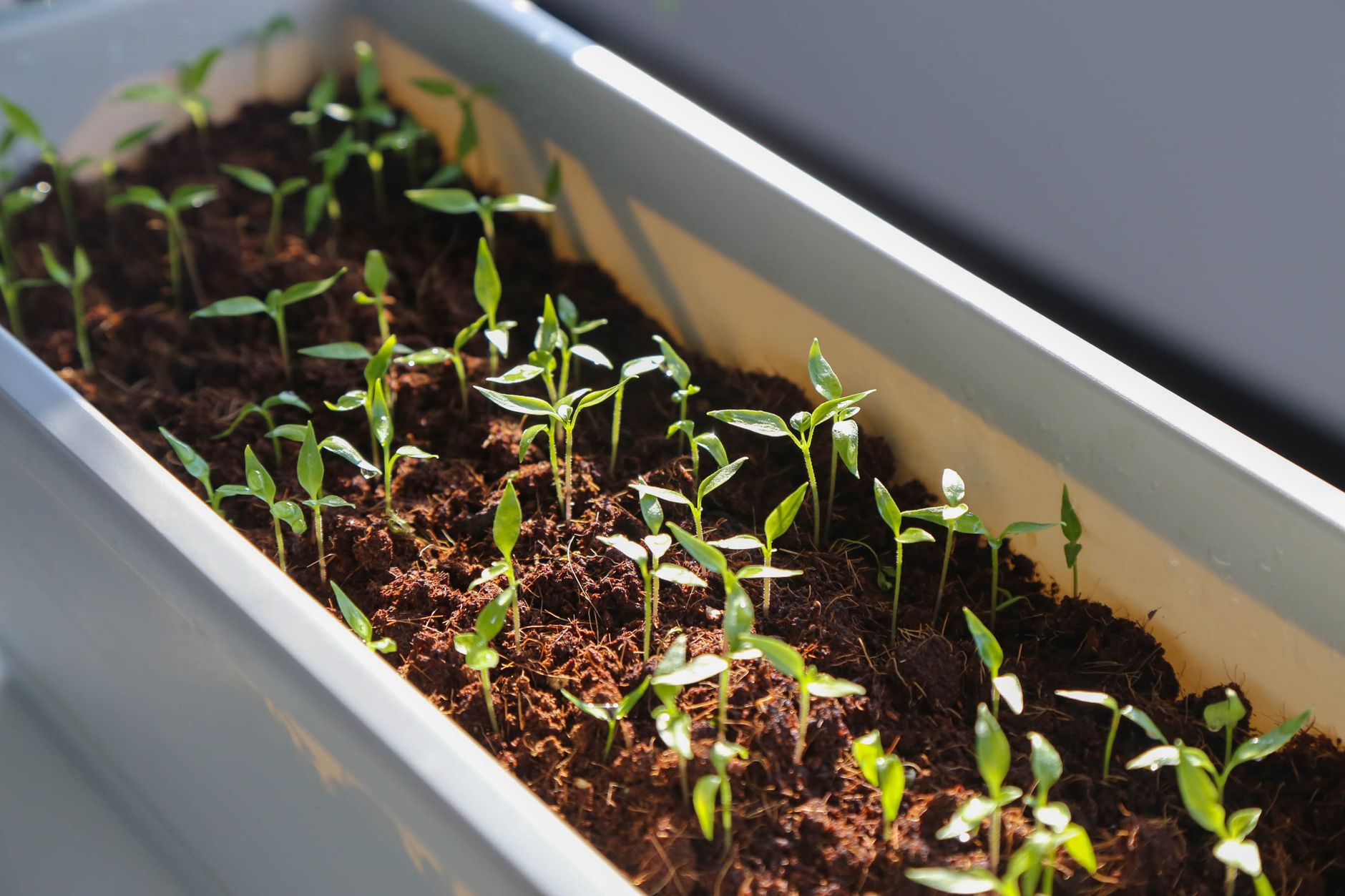
The Vegetables Worth Planting Right Now
Bush beans are your fastest protein crop. Most varieties come in at 50 to 55 days. Plant them now in full sun, water consistently, and you'll be picking handfuls by late August or early September. They don't need much space either. A single 4-foot row or a wide container will give a family of four several good meals.
Kale is slower but worth it. Give it 55 to 65 days and it will reward you with leaves that sweeten up dramatically after the first light frost hits. Plant it in July and you're essentially setting yourself up for the best kale of the year. Lacinato and Red Russian are reliable varieties for late-season planting.
Radishes and turnips are almost embarrassingly easy. Radishes come in at 25 to 30 days. Turnips take a bit longer, around 45 to 60 days depending on variety. Both tolerate crowding better than most vegetables and can fill in small gaps between other plants. Scatter seeds, press them in, keep them moist, and stand back.
Spinach is worth special mention. It sulks in summer heat, which is why spring planting often ends in frustration. But sow it in late July or early August and you catch it in exactly the conditions it loves. Cool nights, shortening days, soil that's lost its midsummer intensity. Spinach planted now can produce into November with minimal effort.
Beets are another strong choice. They take 50 to 60 days, tolerate light frost, and you get two crops from one plant since the greens are edible too. Chioggia and Detroit Dark Red are both reliable for fall harvests.
Pro Tip
Pro Tip: Soak beet and Swiss chard seeds in water for a few hours before planting in warm summer soil. The seed coat is tough, and soaking speeds up germination when soil temperatures are higher than ideal.
One Thing That Will Make or Break a July Planting
Germination in hot, dry soil is the real challenge with summer planting. Seeds need consistent moisture to sprout, and raised beds in July can dry out fast. The top inch of soil might look damp in the morning and be powder-dry by 2pm.
The fix is simple but requires a little attention in the first week. After you sow seeds, cover the bed with a single layer of burlap, row cover, or even a few sheets of damp newspaper. This holds moisture at the soil surface where seeds need it most. Check it twice a day. Once seedlings emerge and show their first true leaves, remove the cover and let them grow normally.
Water in the early morning rather than midday. If you're using containers, consider moving them to a spot that gets afternoon shade during the hottest weeks. The goal is to get seeds sprouted and small seedlings past the fragile stage before the heat does any real damage.

How to Squeeze More Out of a Small Space Right Now
If you're working with a raised bed that already has summer crops in it, don't wait for everything to come out before you replant. Tuck fast-maturing crops like radishes and lettuce into open spots around your tomatoes and peppers. The taller summer plants provide a bit of shade, which these cool-season crops appreciate in the heat.
As summer crops finish and come out, replant immediately. Don't leave soil bare. Pull out an exhausted cucumber plant, drop in a row of spinach seeds the same afternoon. Keeping the bed active is how small-space gardeners stretch a season that most people think is over.
Containers are genuinely useful here. A five-gallon pot can hold a nice crop of baby kale or a tight planting of beets. If frost threatens before everything is ready, you can move the whole thing under cover without any digging. That flexibility is one of the real advantages of container growing that doesn't get enough credit.
What to Skip in July
Not every vegetable makes sense right now. Skip corn, melons, winter squash, and main-season tomatoes. These all need more time than you have, and the end result will disappoint. Also skip any slow-maturing onion or leek starts unless you're specifically growing for overwintering.
Stick with the fast movers. Bush beans, greens, roots, and brassicas for fall. That's where your effort pays off between now and frost.
The gardeners who get the most food out of a small space aren't the ones who planned the best spring. They're the ones who never stopped planting. July is a beginning, not an ending. Get some seeds in the ground this week.


