
I killed more winter vegetables with kindness than cold weather ever did. After years of watching my kale turn yellow and my Brussels sprouts rot from the bottom up, I finally learned the hard truth: winter vegetables need about 60% less water than summer crops.
Most gardeners water their cold-season vegetables like it's July. We stick to summer schedules when the sun is weak, temperatures hover in the 40s, and plants barely transpire. The result? Root rot, fungal diseases, and mushy vegetables that should be crisp and sweet.
Winter vegetables operate on a completely different schedule. They grow slowly, use less water, and actually prefer their soil on the drier side. Once you understand this, your cold-weather harvests will be more reliable than your summer ones.
Read also
Why Winter Vegetables Are Different Water Drinkers
Cold air holds less moisture. Plants transpire slower. Growth nearly stops when temperatures drop below 50°F. Your broccoli isn't guzzling water like a tomato plant in August heat.
Winter vegetables also develop different root systems. They're built for nutrient uptake in cold soil, not rapid water absorption. Kale, spinach, and carrots actually concentrate their sugars when slightly water-stressed, making them taste sweeter.

Container gardens face extra challenges. Pots don't drain as well in winter, especially if you're growing on patios or in areas with poor air circulation. That soggy soil becomes a death trap for root systems that prefer steady but moderate moisture.
The Finger Test Saves More Plants Than Any Moisture Meter
Stick your finger two inches into the soil near your plants. If it comes up with moist soil clinging to it, don't water. If it comes up clean and the soil feels dry, water lightly.
This test works better than any gadget because you're checking where the feeder roots actually live. Most winter vegetables keep their active roots in the top 3-4 inches of soil, unlike deep summer crops.
Pro Tip
Pro tip: Check your containers at 2 PM on a sunny day. Morning soil feels deceptively wet from overnight condensation, and evening checks don't account for the next day's sun exposure.
I check my winter containers twice a week maximum. Sometimes I go 10 days between waterings, especially during cloudy stretches. Your summer-trained brain will panic, but your plants will thank you.
When You Do Water, Do It Right
Water in the morning so excess moisture evaporates during the day. Evening watering in winter invites fungal problems because wet soil stays wet for 12+ hours in cool temperatures.
Use less water per session but make sure it penetrates deeply. I water until I see a small amount coming from drainage holes, then stop. Summer watering would be a thorough soaking. Winter watering is more like a steady drink.
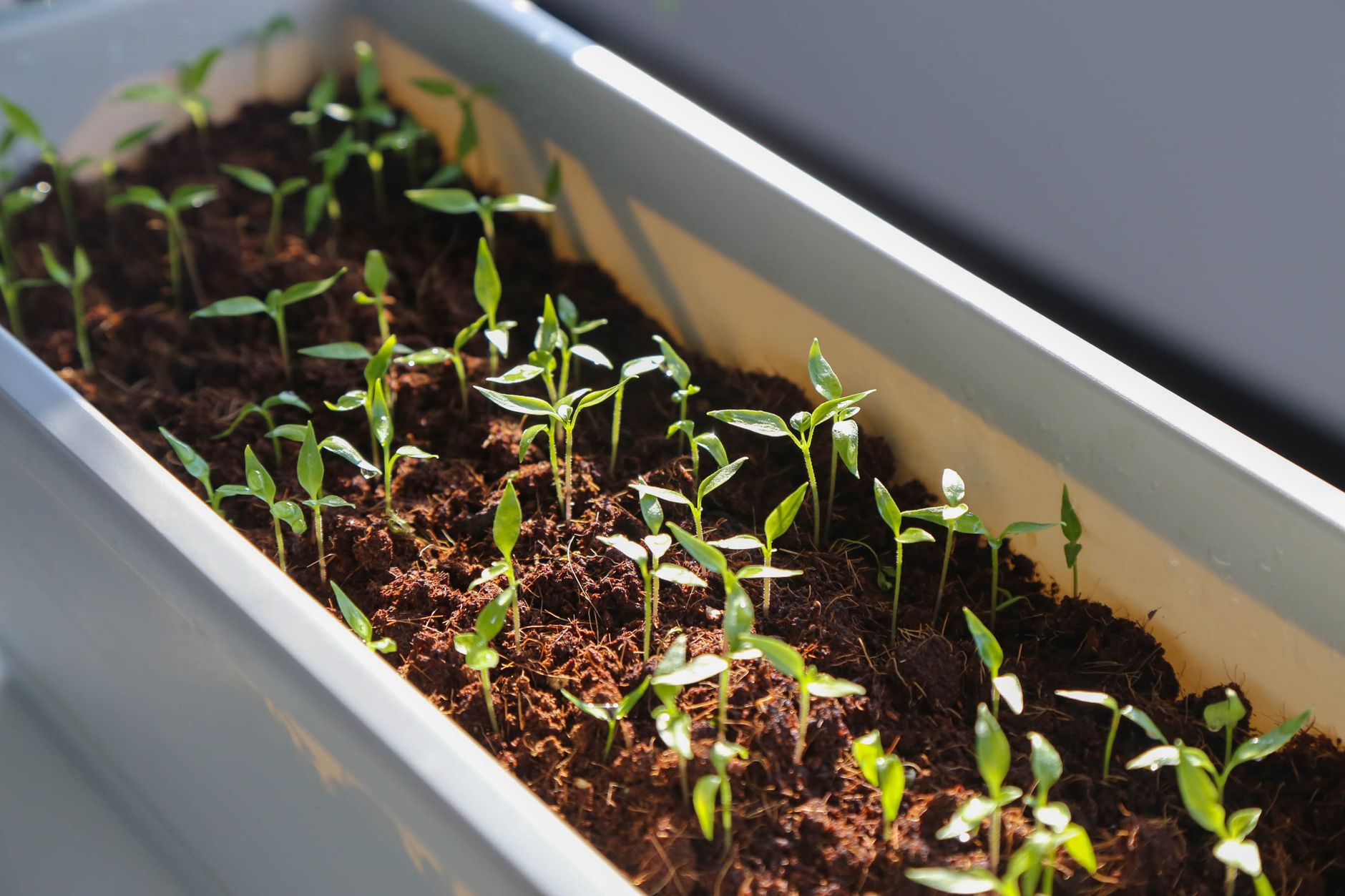
Skip the daily misting or light sprinklings entirely. These create perfect conditions for damping off and other fungal diseases that love cool, moist conditions.
Container Drainage Becomes Critical
Those drainage holes you barely thought about in summer become essential in winter. If water sits in your container bases, drill more holes or add gravel layers.
Elevate containers on bricks or pot feet so air circulates underneath. This prevents that swampy condition where soil never fully drains between waterings.
Mix perlite or coarse sand into your potting soil for winter plantings. The extra drainage helps prevent the compacted, waterlogged conditions that kill more winter vegetables than frost does.
Signs You're Overwatering Winter Vegetables
Yellow lower leaves that feel soft and mushy. Slow growth even during mild weather. White or gray fungal growth around soil level. Seeds that rot instead of germinating.
Your winter vegetables should look sturdy and compact, not lush and tropical. Slightly stressed winter plants develop better flavor and cold tolerance than pampered ones.
Trust the season. Winter vegetables evolved in cool, relatively dry conditions. They don't need summer-level attention to produce the sweet, crisp harvests that make cold-weather gardening worthwhile.


