
Your eggplant seeds are sitting in the ground doing absolutely nothing. Two weeks have passed since you planted them, and while your tomato and pepper seedlings are already poking through the soil, those eggplant cells remain stubbornly empty. Here's what nobody tells you: eggplants are the divas of the nightshade family, and they refuse to germinate unless their soil is hot.
Most gardeners plant eggplants at the same time as tomatoes and peppers, thinking they're similar enough. Wrong move. Eggplants need soil temperatures of at least 75°F to even consider sprouting, and they prefer 80-85°F for reliable germination. That's a full 10-15 degrees warmer than what tomatoes need.
Why Soil Temperature Matters More Than Air Temperature
Read also
You might be looking at 70°F days and thinking it's warm enough for eggplants. But soil temperature lags behind air temperature by weeks, especially in spring when the ground is still releasing winter's chill.
I learned this the hard way three seasons ago. I planted eggplant seeds in early May when daytime temperatures hit the mid-70s. Those seeds sat dormant for nearly a month before finally germinating, and by then they were so far behind that I barely got a harvest before the first frost.
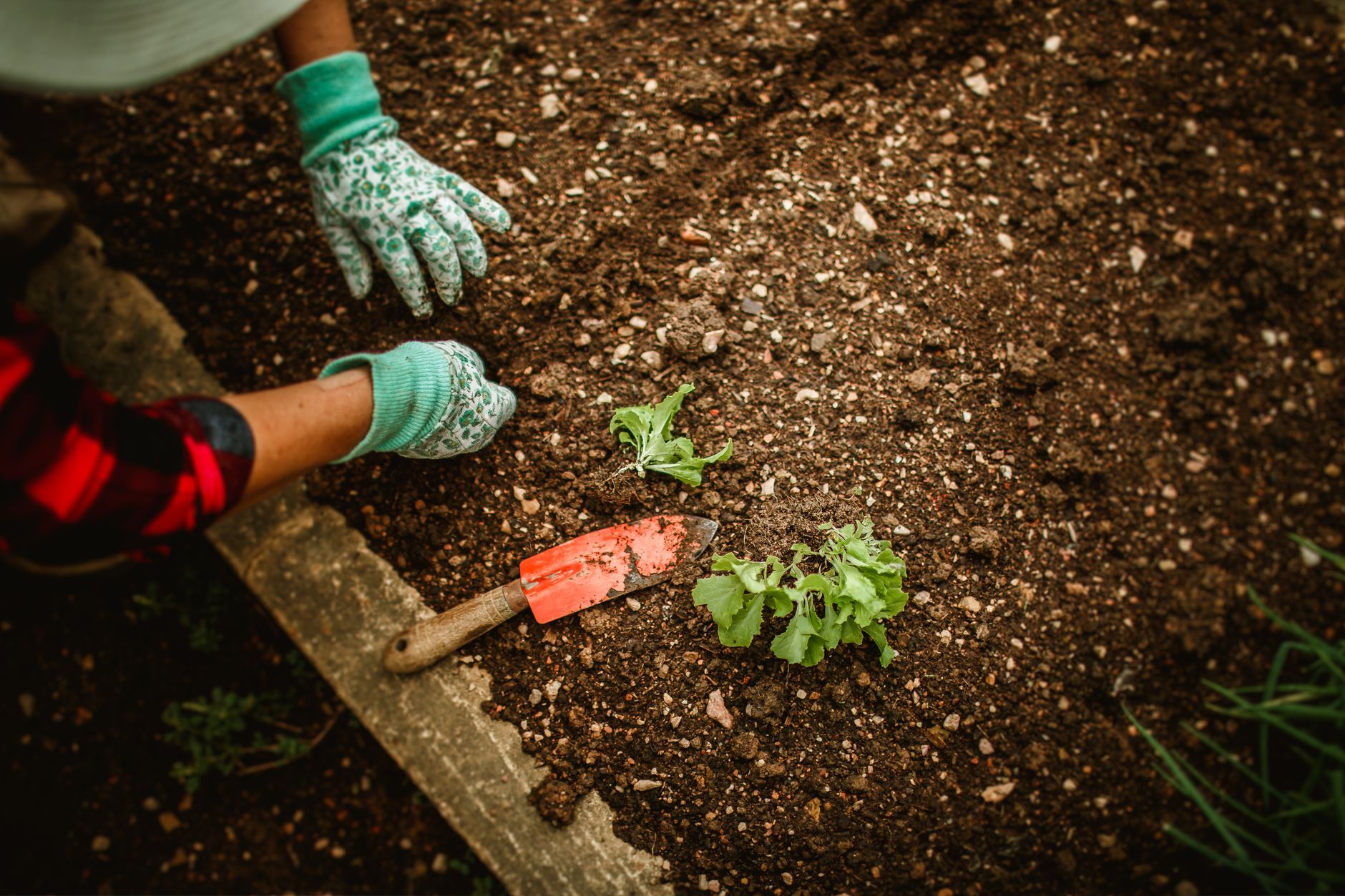
Get yourself a soil thermometer. Stick it 2-3 inches deep in your planting area and check it for several consecutive mornings. Don't plant until you see consistent readings of 75°F or higher. In most temperate climates, this doesn't happen until late May or early June.
Container gardeners have an advantage here. Dark-colored pots heat up faster than garden beds, and you can move them to catch more sun during the day. Just remember that containers also cool down faster at night, so those temperature swings can slow germination.
Pro Tip
Pro Tip: Place your seed-starting containers on a heat mat set to 80°F. This gives you reliable germination even when outdoor soil temperatures are still too cool.
The Indoor Start Advantage
Starting eggplants indoors 8-10 weeks before your last frost date gives you much better control over soil temperature. Use a seed-starting mix in small cells or pots, and keep them consistently warm.
Here's the key: maintain that warmth until the seeds sprout, which usually takes 7-14 days under ideal conditions. Once you see green shoots, you can move them to slightly cooler conditions, but still keep them above 65°F.

Don't rush to transplant your seedlings outdoors. Wait until nighttime temperatures stay above 55°F consistently. A single cold night below 50°F can shock young eggplant transplants so badly they never recover their growth momentum.
I transplant mine when they have 4-6 true leaves and the weather forecast shows stable warm temperatures for at least a week. This usually means waiting until early to mid-June in most northern gardens.
Direct Sowing Success in Small Spaces
If you want to direct sow eggplants in your garden, timing becomes even more critical. The soil needs to be warm, but you also need enough growing season left to get a harvest.
In raised beds, you can speed soil warming by covering the area with clear plastic or row cover for a week before planting. This greenhouse effect can raise soil temperature by 5-10 degrees.
Choose fast-maturing varieties for direct sowing. 'Ichiban' and 'Japanese Long' mature in 60-70 days, giving you more flexibility with late planting. The massive 'Black Beauty' types need 80-90 days and really require an early indoor start.
Plant seeds 1/4 inch deep and keep the soil consistently moist but not waterlogged. In containers, this might mean daily watering once temperatures rise. Germination should happen within 10-14 days if soil temperatures are right.
What to Do When Seeds Don't Sprout
If three weeks have passed with no signs of life, your seeds likely won't germinate. Cold, wet soil causes eggplant seeds to rot rather than sprout.
Don't dig them up to check. Just replant with fresh seeds once soil temperatures are consistently warm. Yes, this sets you back, but it's faster than waiting for compromised seeds that may never grow.
Consider this a lesson in patience rather than a failure. Eggplants reward gardeners who wait for truly warm conditions with vigorous growth and heavy yields. Rush the process, and you'll spend the whole season nursing along stressed, slow-growing plants that produce little fruit.


