
I watched my neighbor plant marigolds around every tomato plant last spring, convinced she was following expert advice. By August, her tomato yield was half of mine. The problem wasn't the marigolds themselves, but where she planted them and what she expected them to do.
Companion planting gets talked about like it's magic, but most gardeners make three critical mistakes that actually reduce their tomato harvest instead of protecting it.
The Marigold Myth That Costs You Tomatoes
Read also
Marigolds do repel some pests, but they also compete directly with tomatoes for nutrients when planted too close. Most gardeners plant them 6 inches away. That's way too close.
If you want marigolds as pest deterrents, plant them at least 2 feet from your tomato stems. Better yet, use them as border plants around your entire garden bed rather than spot-planting them next to individual tomatoes.
French marigolds work better than African varieties for pest control. They produce more of the compounds that actually deter harmful insects.
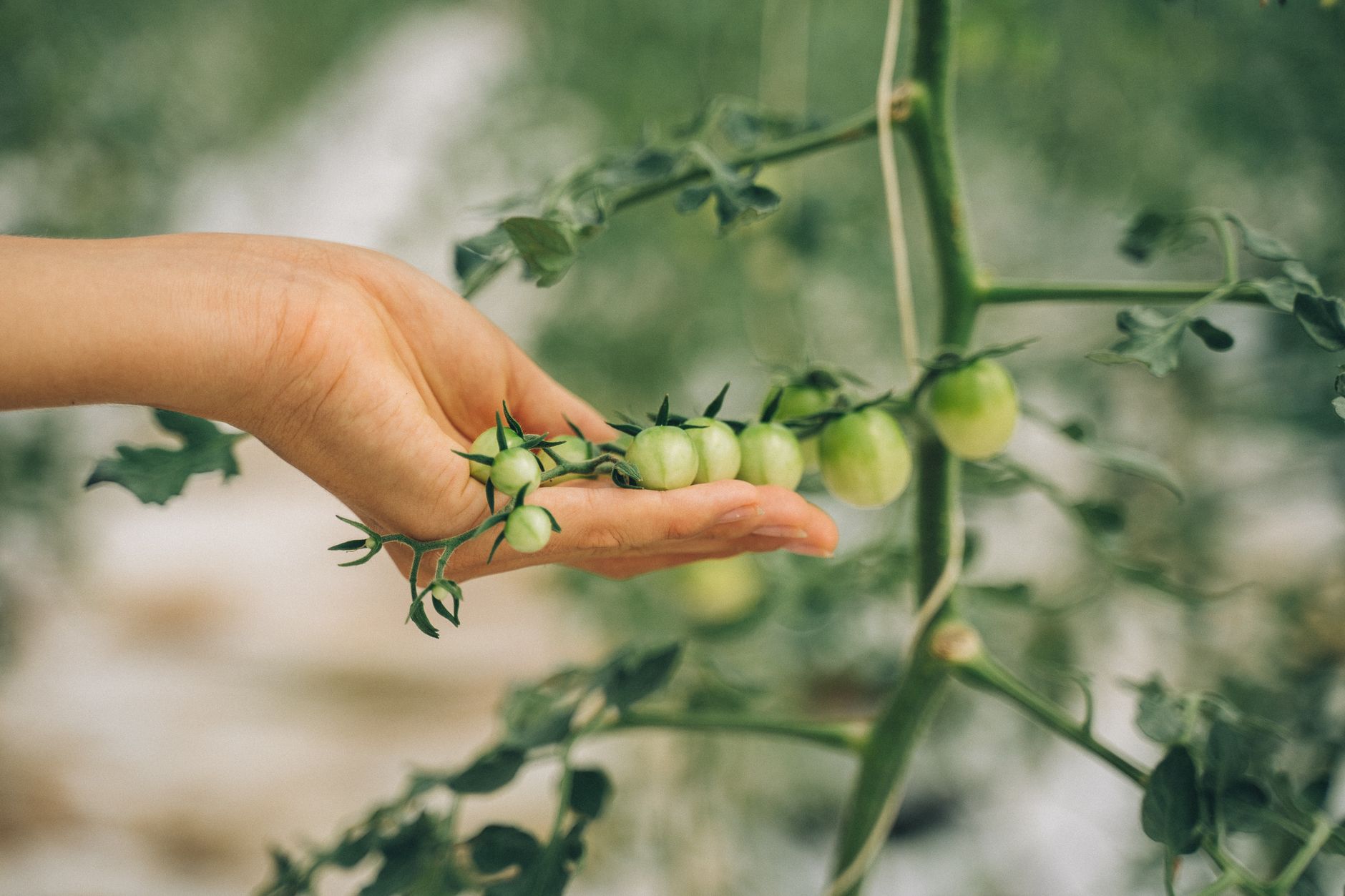
The bigger issue? Marigolds won't solve your real tomato problems. They don't prevent blight, won't stop hornworms, and do nothing for blossom end rot.
Why Basil Near Tomatoes Backfires
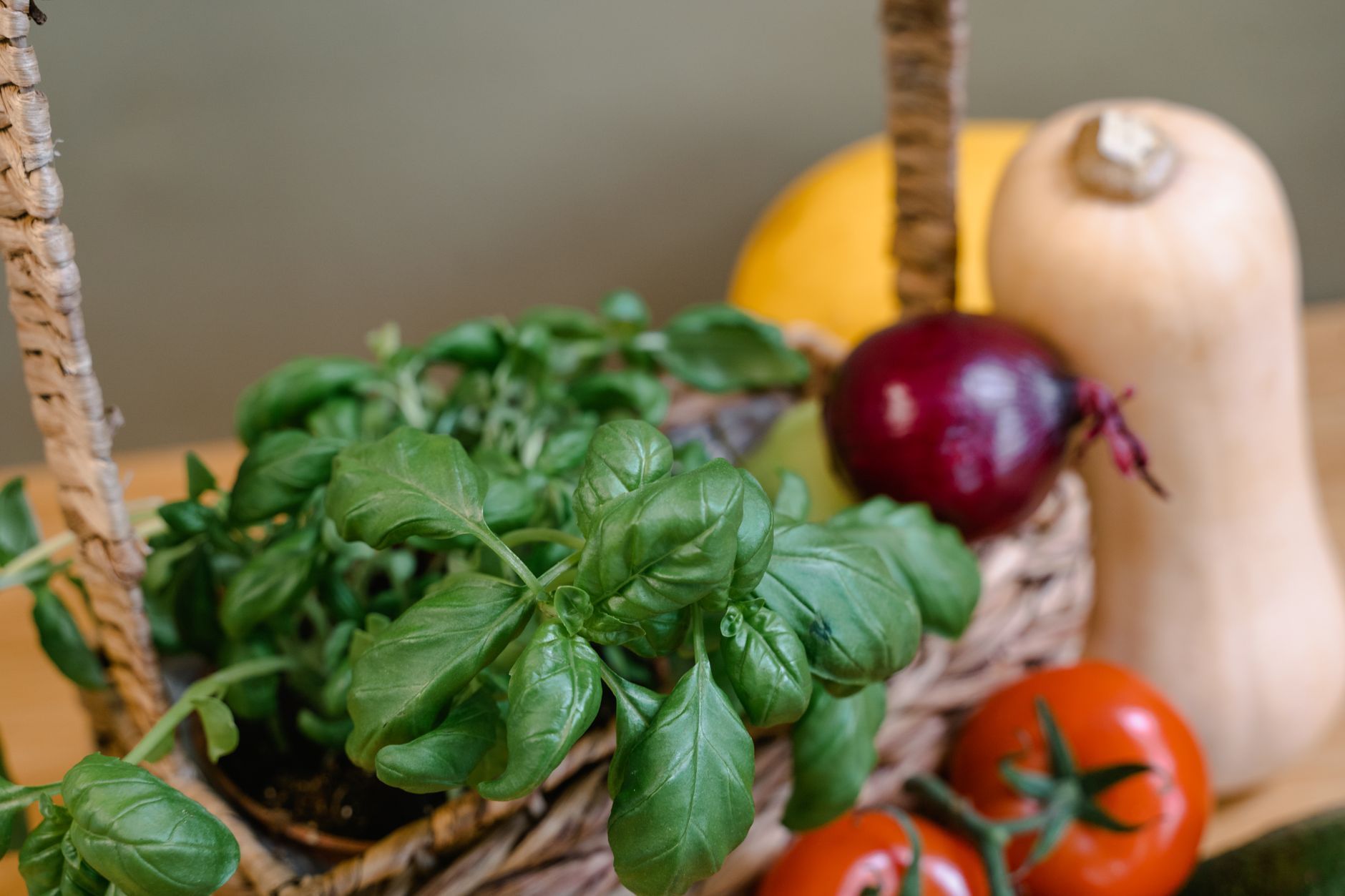
Every companion planting chart tells you to grow basil with tomatoes. Here's what they don't mention: basil needs different watering than tomatoes.
Tomatoes want deep, infrequent watering. Basil prefers consistent moisture. When you water them the same way, one plant suffers. Usually it's the basil, which gets stressed and attracts aphids.
Those stressed basil plants then become pest magnets right next to your tomatoes. I've seen this exact scenario destroy three different gardens on my street.
Pro Tip
Pro tip: If you want basil and tomatoes together, plant basil in a separate container that you can water independently. Place the pot near your tomatoes for easy harvesting.
A better tomato companion? Oregano. It handles the same watering schedule as tomatoes and actually improves their flavor when grown nearby.
The Nasturtium Trap Mistake
Nasturtiums as trap crops sound brilliant in theory. Plant them to attract aphids away from your tomatoes. But here's the reality: most gardeners plant trap crops wrong.
You need nasturtiums planted 3-4 weeks before your tomatoes go in the ground. They need to be established and already attracting pests before tomatoes become targets.
Even worse, if you don't monitor your nastrium trap crop, those aphids will multiply and eventually overflow onto your tomatoes anyway. Trap crops require active management, not just planting and forgetting.
What Actually Works for Tomato Protection
Skip the complicated companion schemes. Focus on these three plants that genuinely help tomatoes without competing:
Chives planted 18 inches away deter aphids and don't compete for nutrients. They're also perennial, so you plant once and they return every year.
Parsley attracts beneficial insects that eat tomato pests. It thrives in partial shade, so plant it on the north side of your tomato cages where it won't get scorched.
Borage improves tomato flavor and attracts pollinators, but give it plenty of space. Plant one borage plant for every four tomato plants, not one-to-one.
The Real Secret to Healthy Tomatoes
Good soil prep beats companion planting every time. Add compost, ensure proper drainage, and give each tomato plant adequate space. These basics prevent more problems than any companion plant ever will.
In small space gardens, focus on maximizing your tomato harvest instead of trying to cram in companion plants that may or may not help. One healthy, well-spaced tomato plant produces more food than two crowded plants surrounded by companions.
That said, if you have extra space and want to experiment, start with one companion plant type per season. Test it properly instead of trying everything at once. Your tomatoes will thank you for the simpler approach.


