
Last month I spent $4.99 on a tiny container of organic basil at the grocery store. The same day, I planted a $2.50 packet of basil seeds that's already given me six times that amount of fresh herbs. Some vegetables really do pay for themselves, and faster than you might think.
While growing your own food isn't always cheaper than buying (looking at you, corn and potatoes), certain vegetables offer such dramatic savings that they're basically printing money in your garden beds. These five crops deliver the biggest bang for your seed investment, especially if you're working with limited space.
Lettuce and Salad Greens
Read also
A five-dollar bag of organic mixed greens lasts maybe three salads in my house. A three-dollar packet of lettuce seeds feeds us fresh salads for three months.
The math gets even better with cut-and-come-again varieties like oakleaf lettuce, arugula, and spinach. Plant them once, harvest the outer leaves regularly, and they keep producing new growth from the center. I've harvested the same lettuce plants for eight weeks running.

Salad greens grow fast too. Most varieties are ready to harvest in 30-45 days, with baby greens ready even sooner. In small spaces, try succession planting by sowing new seeds every two weeks in containers or window boxes.
The key is choosing loose-leaf varieties over head lettuce. Buttercrunch, Red Sails, and Simpson Elite keep producing while head lettuces give you just one harvest per plant.
Fresh Herbs
Store-bought fresh herbs are highway robbery. Three dollars for a plastic clamshell of cilantro that goes bad in a week? No thanks.
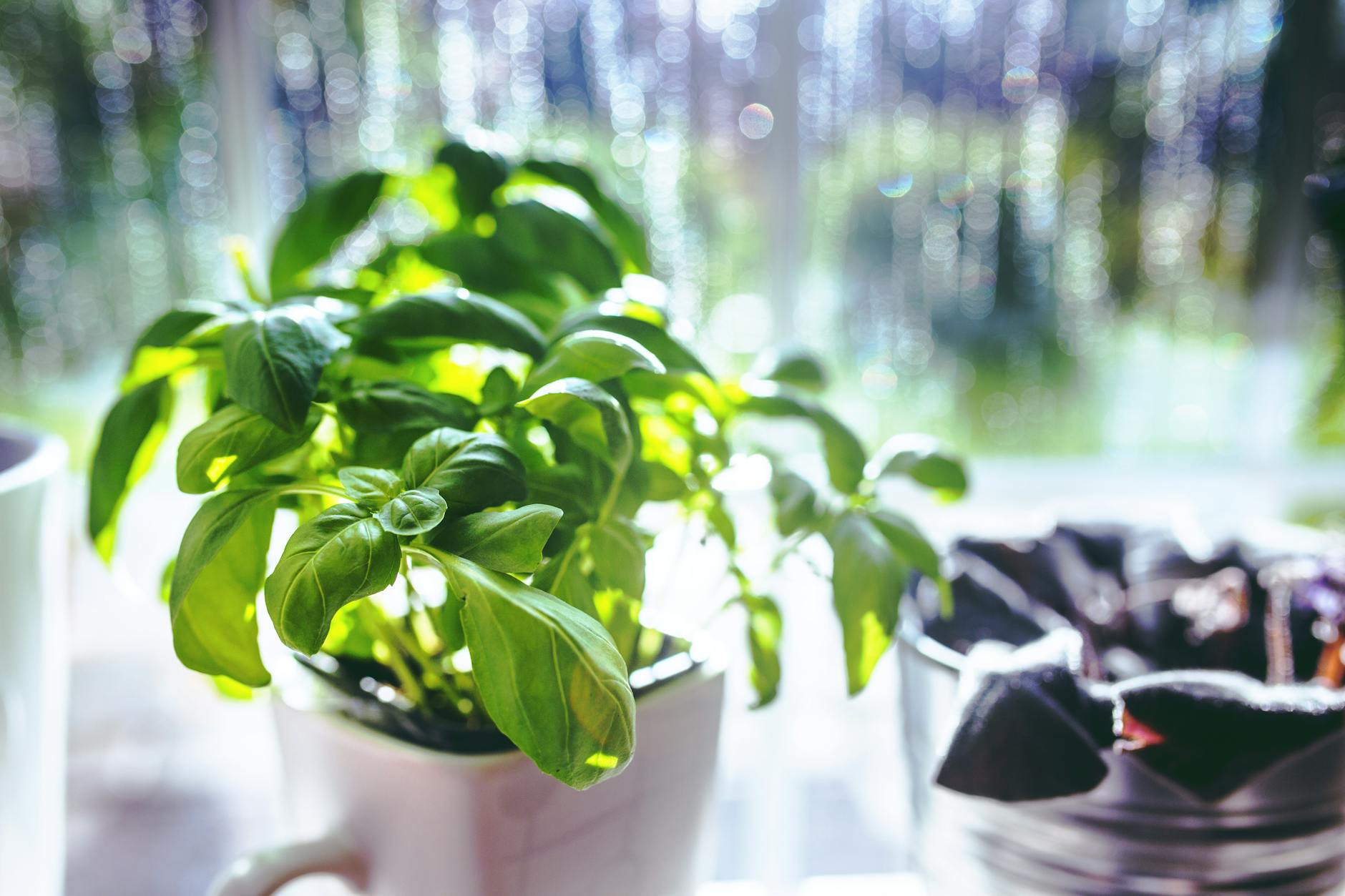
Basil, cilantro, parsley, and chives grow easily from seed and produce far more than you can buy for the same money. A single basil plant yields enough leaves for dozens of batches of pesto. One parsley plant keeps you in fresh garnish and cooking herbs all season long.
Pro Tip
Pro Tip: Plant cilantro every three weeks from spring through fall. It bolts quickly in heat, but succession planting ensures you always have tender young leaves ready to harvest.
Even in the smallest spaces, herbs work. A sunny windowsill supports several pots of basil, parsley, and chives. These plants also handle container growing better than most vegetables, making them ideal for apartment gardeners.
Cherry Tomatoes
Cherry tomatoes cost a fortune at the grocery store, especially organic ones. But these prolific little plants produce pounds of fruit from a single seedling.
I planted two cherry tomato plants last year and harvested over 15 pounds of tomatoes. At $4-6 per pound for organic cherry tomatoes at my local store, those two plants saved me serious money.
Indeterminate varieties like Surefire Red and Sweet 100 keep producing until frost kills them. They do need support and regular feeding, but the payoff justifies the effort.
For small spaces, try determinate varieties in large containers. Patio Princess and Tiny Tim stay compact but still produce plenty of fruit for fresh eating and cooking.
Green Beans
Fresh green beans cost $3-5 per pound at most grocery stores. A packet of bean seeds costs about the same and produces several pounds of beans.
Bush beans work well in containers and small spaces since they don't need trellising. Plant them every two weeks through summer for continuous harvests. Provider and Contender are reliable varieties that produce heavy yields in about 55 days.
Pole beans take up less ground space if you can provide vertical support. They also produce longer, giving you fresh beans for months instead of weeks.
Cooking Greens
Kale, chard, and collard greens command premium prices at the store, especially organic varieties. But these tough, productive plants grow easily and produce for months.
One packet of kale seeds produces enough plants to keep you in fresh cooking greens from spring through winter. These plants also handle weather extremes better than lettuce, making them more reliable in challenging growing conditions.
Swiss chard deserves special mention here. The colorful stems and leaves look beautiful in containers, and you can harvest individual leaves as needed while the plant keeps growing. Rainbow chard varieties double as ornamental plants for front-yard gardens.
Making the Numbers Work
The savings add up quickly, but only if you actually eat what you grow. Start with vegetables your family already buys regularly at the grocery store.
Keep it simple your first year. Pick two or three vegetables from this list and grow them well rather than trying everything at once. Success with a few crops builds confidence and skills for expanding next season.
Track your actual harvest weights if you want hard numbers on your savings. I keep a simple notebook by my back door and jot down what I pick each day. The totals always surprise me by season's end.


