
Most gardeners replant their entire vegetable garden every spring, but what if you could harvest fresh food for a decade from plants you set up just once? Perennial vegetables return year after year, often producing more food as they mature. While your neighbors spend weekends replanting tomatoes and lettuce, you'll be harvesting from established plants that laugh at frost and come back stronger each season.
The Big Three: Asparagus, Rhubarb, and Artichokes
These three powerhouses anchor any perennial vegetable garden. Asparagus takes patience but rewards you with 20+ years of spring spears. Plant one-year-old crowns in trenches 6 inches deep and 18 inches apart. Don't harvest the first year. Take just a few spears the second year. By year three, you'll have 6-8 weeks of daily harvests.
Read also
Rhubarb thrives in containers and small spaces. One plant produces 5-10 pounds of tart stalks each year. Choose 'Victoria' for reliability or 'Canada Red' for stunning color. Plant the crown with the growing tip just above soil level.

Globe artichokes need space but produce 8-15 buds per plant in mild climates. In cold regions, grow them as annuals or move containers indoors. 'Green Globe' handles temperature swings better than fancy varieties.
Lesser-Known Champions for Small Spaces
Walking onions deserve their weird name. They literally walk across your garden, dropping new bulblets at the tips of their flower stalks. You'll never buy green onions again. Plant bulbs 4 inches apart in any corner of your garden.
Perennial leeks (Allium ampeloprasum) multiply like crazy. Unlike annual leeks, these form clumps that you can divide every few years. The leaves stay green through winter in most climates.
Pro Tip
Pro Tip: Start with just 2-3 perennial vegetables in your first year. They need time to establish, and you'll learn their growth patterns better with fewer varieties.
Good King Henry sounds royal because it fed European peasants for centuries. This spinach-like green produces edible leaves from early spring through fall. The young shoots taste like asparagus when steamed.
Setup Strategy for Maximum Returns
Location matters more for perennials than annual vegetables. They'll occupy the same spot for years, so choose carefully. Most need well-drained soil and 6+ hours of sunlight. Avoid low spots where water pools in winter.
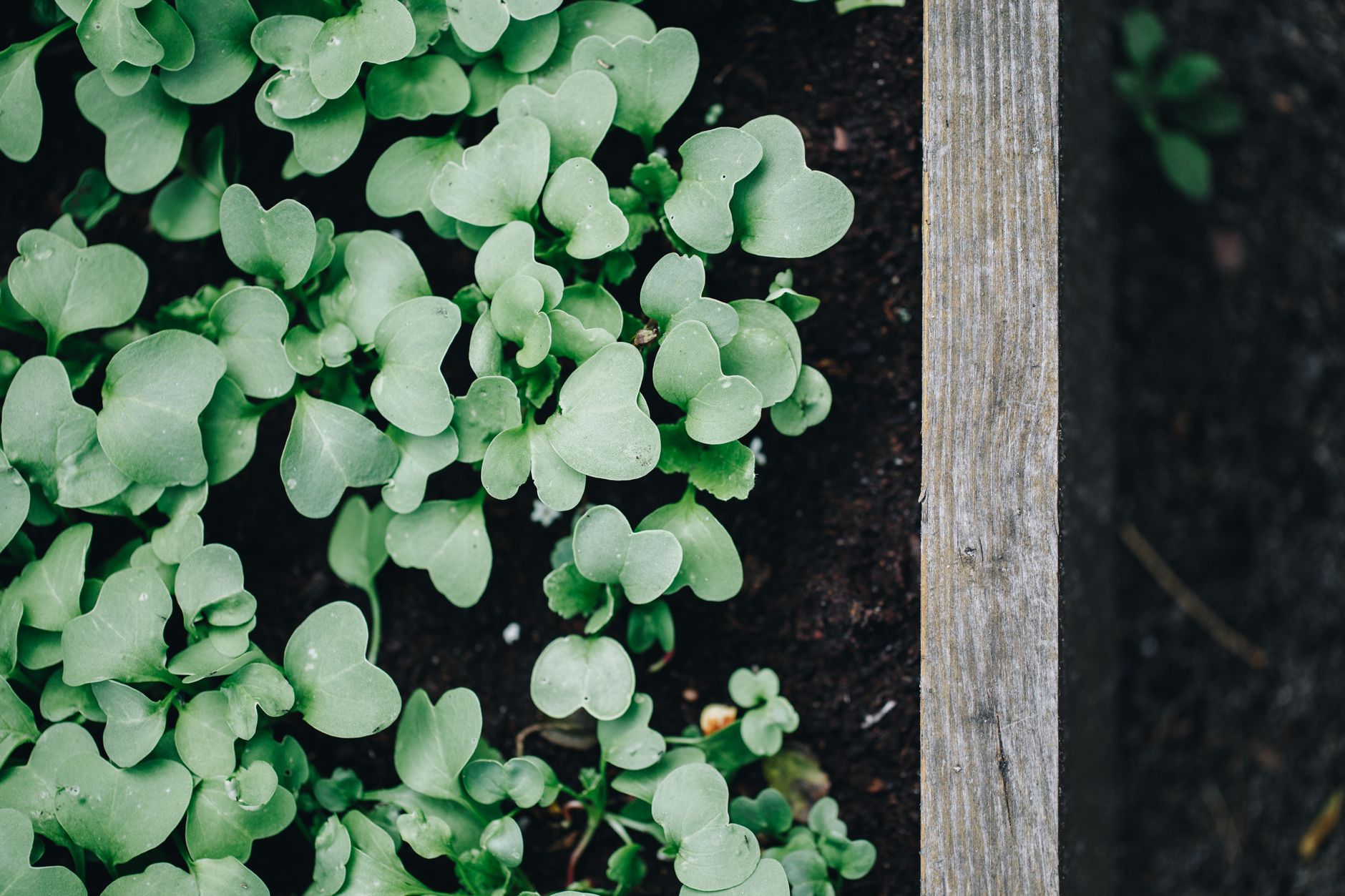
Invest in soil preparation upfront. Dig planting areas twice as wide as recommended plant spacing. Mix in 2-4 inches of compost. Perennials feed heavily as they establish, and you won't get another chance to improve the soil underneath mature plants.
For containers, choose pots at least 20 gallons for large plants like artichokes and rhubarb. Asparagus needs deep containers but can share space with shallow-rooted herbs on top.
The First Two Years: Patience Pays Off
Resist the urge to harvest heavily in year one. Perennial vegetables use their first season building root systems and storing energy for future production. Light harvesting is fine for most plants, but leave the majority of growth intact.
Year two brings bigger harvests but still requires restraint. Take about half of what each plant produces. By year three, most perennials hit their stride and can handle regular harvesting without stress.
Water consistently during establishment but avoid overwatering. Most perennial vegetables prefer slightly dry conditions once established. Mulch around plants in late fall to protect roots through winter freezes.
Dividing and Expanding Your Perennial Patch
Many perennial vegetables naturally multiply, giving you free plants to expand your garden or share with neighbors. Walking onions spread on their own. Rhubarb and asparagus can be divided every 4-5 years in early spring.
Dig up clumps when plants are dormant. Use a sharp spade to cut through root systems, ensuring each division has several growing points. Replant immediately or pot up extras for friends.
The math works beautifully. One $8 asparagus crown produces about $200 worth of spears over its lifetime. A single rhubarb plant saves you $50+ annually if you bake regularly. After the initial investment and two years of patience, these plants essentially give you free food for decades.


