
Sarah spent $847 last spring on her 4x8 raised bed. By fall, she'd harvested maybe $200 worth of vegetables. Sound familiar? Most new gardeners accidentally turn their backyard into an expensive hobby instead of a money-saving venture.
The truth is, grocery savings don't happen by accident. They happen when you grow strategically.
Mistake #1: You're Growing the Wrong Vegetables
Read also
That heirloom tomato variety might look gorgeous in the catalog, but if it produces 12 tomatoes over three months, you just paid $8 per tomato when you factor in seeds, soil, and space.
Focus on vegetables that cost the most at the store and produce heavily in small spaces. Herbs top this list. A $3 basil plant can replace $50 worth of store-bought basil if you harvest it correctly.
Salad greens come next. One packet of lettuce seeds costs $2 and produces enough salads for two months. Compare that to buying organic mixed greens at $6 per week.

Skip corn, winter squash, and potatoes unless you have acres. These take tons of space and time for vegetables you can buy cheaply year-round.
Mistake #2: You Buy Everything New (Every Season)
Garden centers love eager spring shoppers who replace everything annually. Smart gardeners invest once, then maintain.
Buy quality containers and raised bed materials that last 10+ years. Then focus your annual spending on seeds and soil amendments, not infrastructure.
Start your own seeds instead of buying transplants. A pepper transplant costs $4. A seed packet with 25 pepper seeds costs $3. Do the math.
Pro Tip
Pro tip: Save seeds from open-pollinated varieties. One store-bought tomato can provide enough seeds for next year's entire crop. Just scoop, dry, and store in the freezer.
Mistake #3: You're Wasting Prime Real Estate on Low-Value Crops
Every square foot in your garden should earn its keep. Dedicate your best spots to high-value, high-yield vegetables.
Vertical growing multiplies your return on space. Train cucumber and bean plants up trellises instead of letting them sprawl. One vertical square foot can produce as much as four horizontal feet.
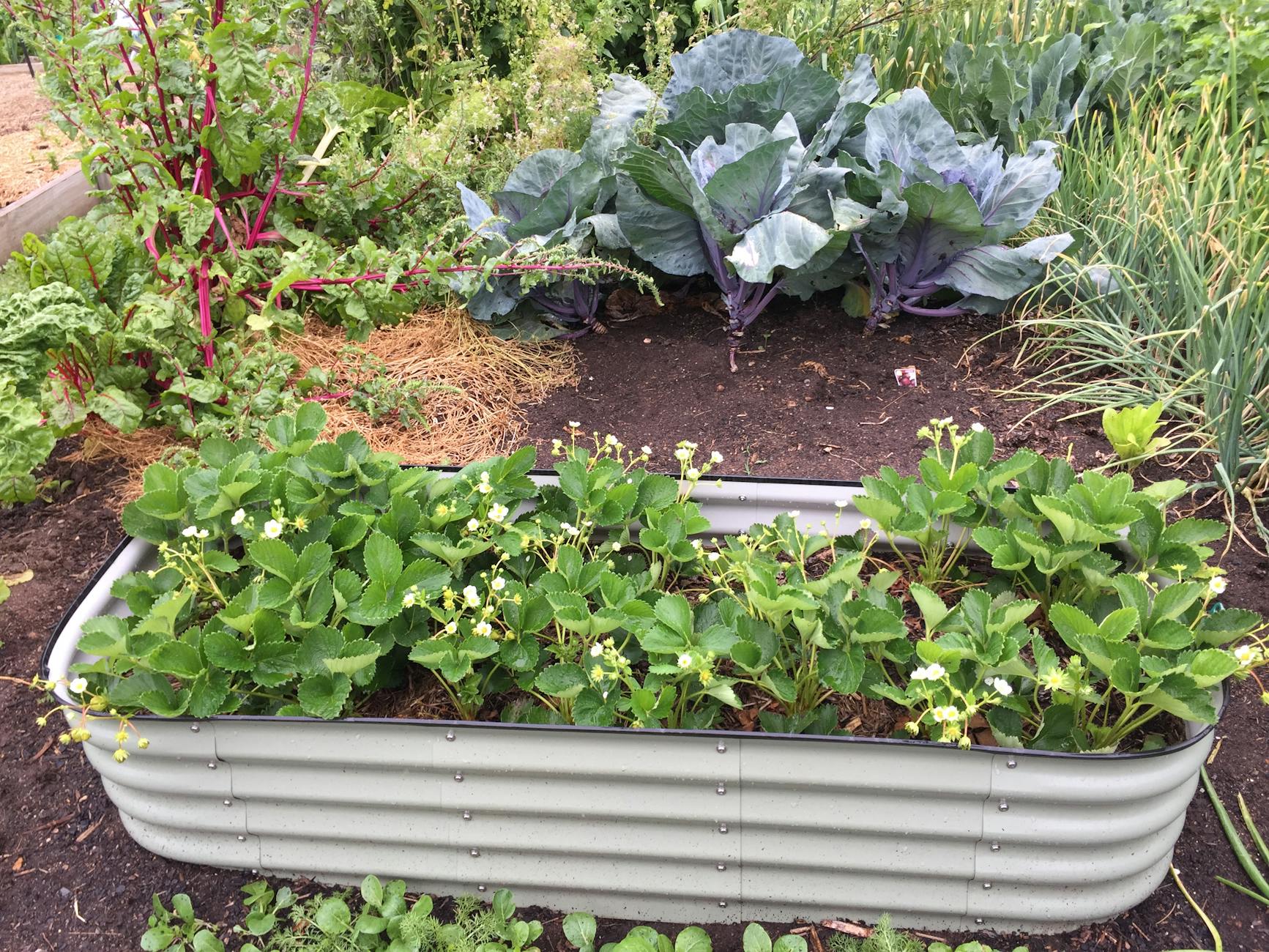
Succession plant fast crops like radishes and lettuce every two weeks. This turns one garden bed into a continuous production line instead of a once-per-season harvest.
Interplant compatible vegetables. Tuck lettuce around the base of tomato plants. Plant herbs along the edges of raised beds. Every unused inch costs you money.
Mistake #4: You Don't Know When to Harvest
Picking vegetables at the right time can double your yield, but most gardeners wait too long.
Harvest lettuce leaves when they're small and tender. Cut the outer leaves and let the center keep growing. One plant can produce for months this way.
Pick zucchini when they're 6-8 inches long. Those baseball bat-sized squash look impressive, but they signal the plant to stop producing.
Cut herbs before they flower. Once basil goes to seed, leaf production stops. Pinch those flower buds and keep harvesting.
Mistake #5: You Garden Like It's a Sprint, Not a Marathon
The biggest money comes from extending your growing season, not cramming everything into summer.
Cold frames and row covers let you grow salad greens through winter in most climates. December lettuce tastes better and costs way less than store-bought.
Start cool-weather crops in late summer for fall harvest. Carrots, radishes, and spinach actually taste better after light frost.
Indoor growing keeps herbs and microgreens coming year-round. A south-facing windowsill can save you $30+ per month on fresh herbs alone.
Track what you spend and what you harvest. Most successful food gardeners keep a simple notebook logging both. You'll quickly see which crops pay for themselves and which ones are just expensive hobbies.


