
Last July, my neighbor Sarah stormed over to my fence line, pointing at her sad-looking tomato plants. "They were loaded with fruit in June, and now nothing!" she said. "Is it too hot for them?" I took one look at her yellowing plants with their sparse fruit clusters and knew exactly what happened. Sarah had been feeding her tomatoes like clockwork every two weeks since planting, which sounds responsible but actually explains why her plants quit producing right when she needed them most.
When tomato plants suddenly stop setting fruit in mid-summer, gardeners almost always blame the weather. But nine times out of ten, the real culprit is fertilizer timing that doesn't match what the plant actually needs at different growth stages.
Why Tomatoes Go on Strike
Read also
Tomato plants shift their priorities dramatically as they mature. In the first month after transplanting, they need steady nutrition to build strong stems and lush foliage. But once they start flowering, continuing that same feeding schedule creates problems.
Too much nitrogen during fruit development sends tomatoes back into vegetative growth mode. They'll produce beautiful, dark green leaves while fruit production drops to almost nothing. The plant literally chooses leaf growth over fruit because that's what the excess nitrogen is telling it to do.
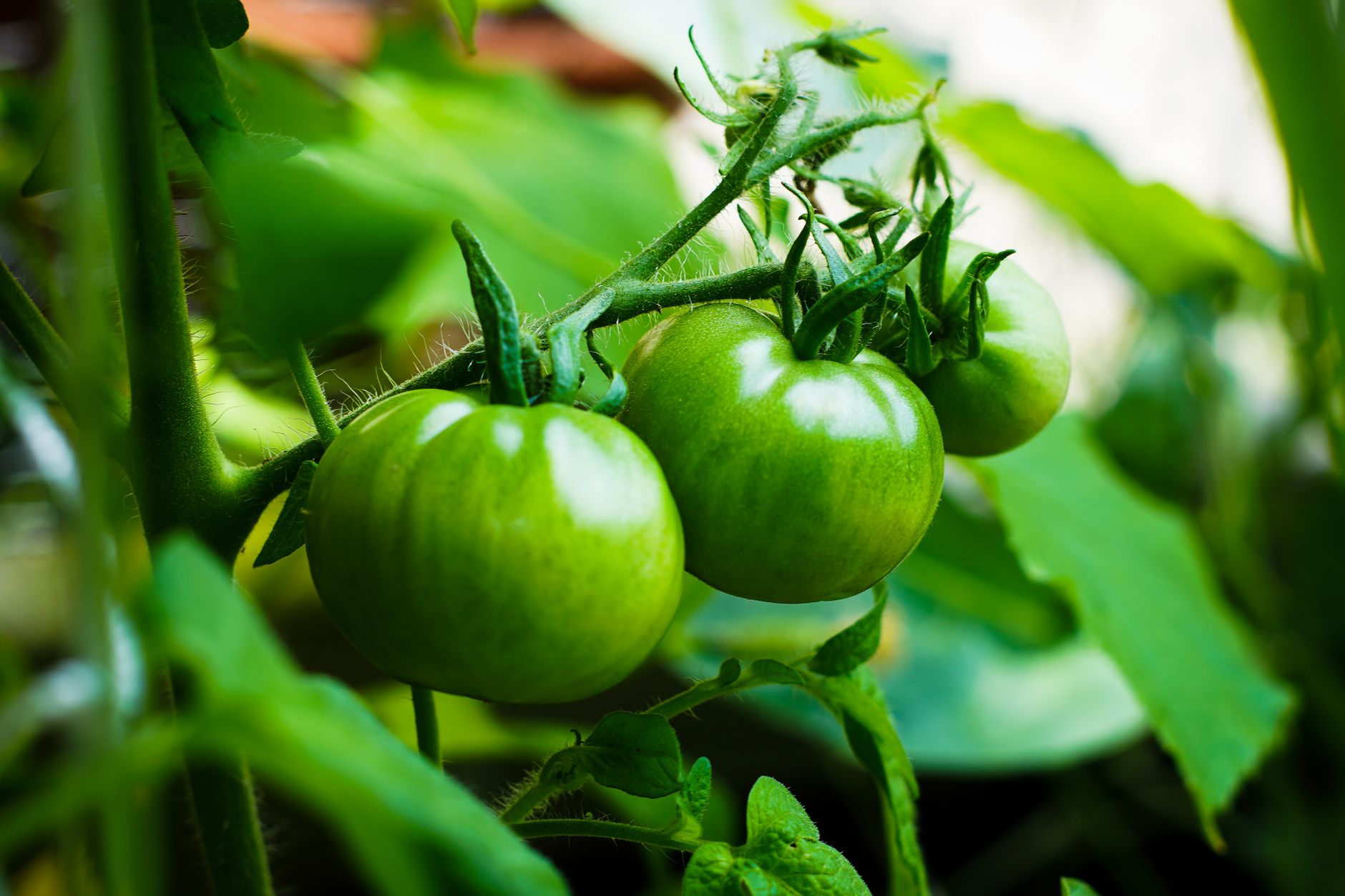
High-nitrogen fertilizer also delays ripening of existing fruit. Those green tomatoes sitting on your vines for weeks? They might be getting too much nutrition to finish maturing properly.
This explains why container tomato growers often see the most dramatic production drops. Containers get watered frequently, which means more frequent fertilizer applications if you're using liquid feed. All that nutrition overwhelms the plant's natural fruit development cycle.
The Three-Phase Feeding Strategy
Instead of feeding tomatoes the same way all season, match your fertilizer approach to what they're actually trying to accomplish.
Phase 1: Planting to First Flowers (4-6 weeks)
Use balanced fertilizer with moderate nitrogen levels. A 10-10-10 or similar ratio works well. Feed every two weeks to support strong initial growth. Container plants can handle weekly dilute liquid feeding during this stage.
Phase 2: Flowering to First Harvest (4-5 weeks)
Switch to low-nitrogen, high-phosphorus fertilizer. Look for ratios like 4-6-8 or 2-8-4. Phosphorus supports flower development and fruit set without pushing excessive leaf growth. Feed every three weeks instead of every two.
Pro Tip
Pro Tip: Stop all fertilizing for one week when you see the first flower clusters forming. This brief pause helps the plant transition from growth mode to reproduction mode.
Phase 3: Active Harvest (until frost)
Reduce feeding frequency to once monthly, using low-nitrogen fertilizer. Focus on potassium-rich amendments like wood ash or potassium sulfate to improve fruit quality and disease resistance. Over-feeding during harvest season reduces flavor intensity.
Quick Fixes for Mid-Season Problems
If your tomatoes have already stopped producing, you can turn things around in about three weeks with the right approach.
First, stop all nitrogen-based feeding immediately. This includes compost, manure, and any fertilizer with the first number higher than 5. Let the plant use up excess nitrogen in its system.
Remove suckers aggressively. Those shoots growing between the main stem and branches are using energy that should go toward fruit development. Pinch them off when they're 2-3 inches long.
Deep water twice weekly instead of frequent shallow watering. Consistent moisture helps existing fruit develop properly while reducing stress that can cause blossom end rot.
Apply a light dose of Epsom salt (1 tablespoon per plant) to provide magnesium without adding nitrogen. Magnesium deficiency often develops mid-season and can reduce fruit set.
Container-Specific Adjustments
Container tomatoes need modified feeding schedules because nutrients wash out faster but also concentrate more easily.
Use slow-release fertilizer pellets as your base nutrition, then supplement with liquid feeding only during the initial growth phase. Once flowering starts, let the slow-release pellets handle most nutrition needs.
Water container tomatoes deeply but less frequently to prevent constant nutrient cycling. Aim for soil that feels dry an inch below the surface before watering again.
Watch for the telltale signs of over-nutrition: very dark green leaves, excessive vine growth, and delayed fruit ripening. Container plants show these symptoms faster than garden-planted tomatoes because their root systems can't escape concentrated fertilizer.
Sarah's tomatoes recovered beautifully once she stopped her regular feeding schedule and switched to the phase-based approach. By late August, she was bringing over bags of ripe fruit to share. The plants that had looked finished in July kept producing until the first frost in October.


